
Nowhere is nowhere.
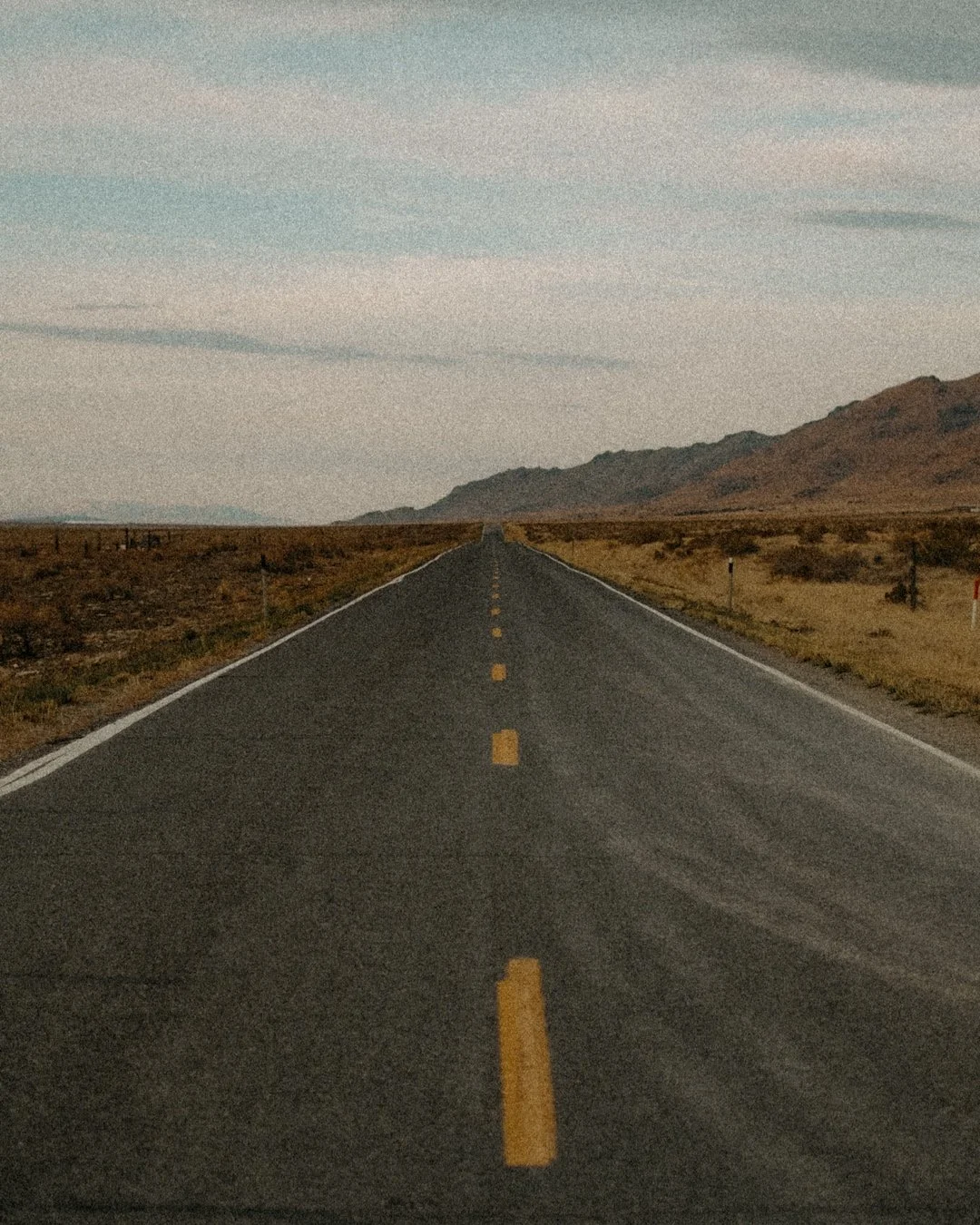
Great Basin, originally inhabited by the Western Shoshone. Currently known as The Loneliest Road in America.
I lived in Utah for six years and spent more time than I can count out in places many people would call the “middle of nowhere.” A lot of my favorite photographs come from those wide, minimal landscapes. They look sparse, almost stripped down to nothing. But no matter how quiet or bare they appear, they are not empty.
When people say “middle of nowhere,” it sounds harmless. Just a throwaway phrase. But it actually says a lot about how we think about land.
From a modern perspective, especially in places shaped by Western ideas of property and development, land is often judged by what it produces. Is there a city there? Jobs? Buildings? Roads? If not, it can get labeled as empty, useless, or forgotten. “Nowhere.”
But for many Indigenous communities, land is not about productivity or market value. It is about connection. It is where ancestors are buried. It holds stories, ceremonies, and identity. It is not just space on a map. It is part of who people are.
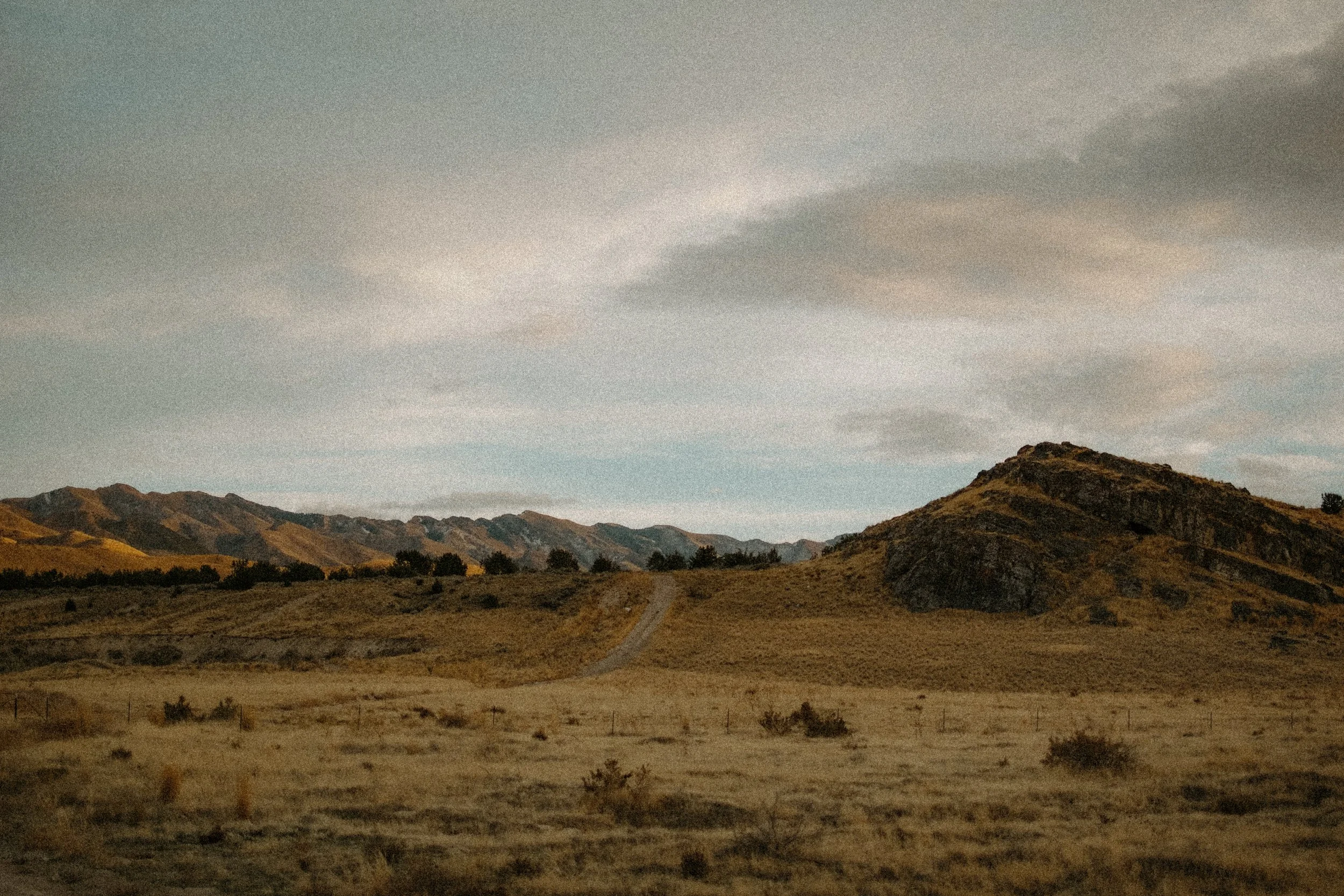
Western Utah, 2018
So when land gets described as “nowhere,” it quietly erases all of that. It suggests no one meaningful is there, or that nothing meaningful is happening there. And historically, that kind of thinking made it easier for governments and settlers to justify taking it. If land is seen as unused or underused, it becomes easier to say it should be “developed” or repurposed, even if people have lived in relationship with it for generations.
Language matters. Calling something nowhere can make displacement feel abstract, almost harmless. But to the people connected to that land, it was never nowhere. It was home.
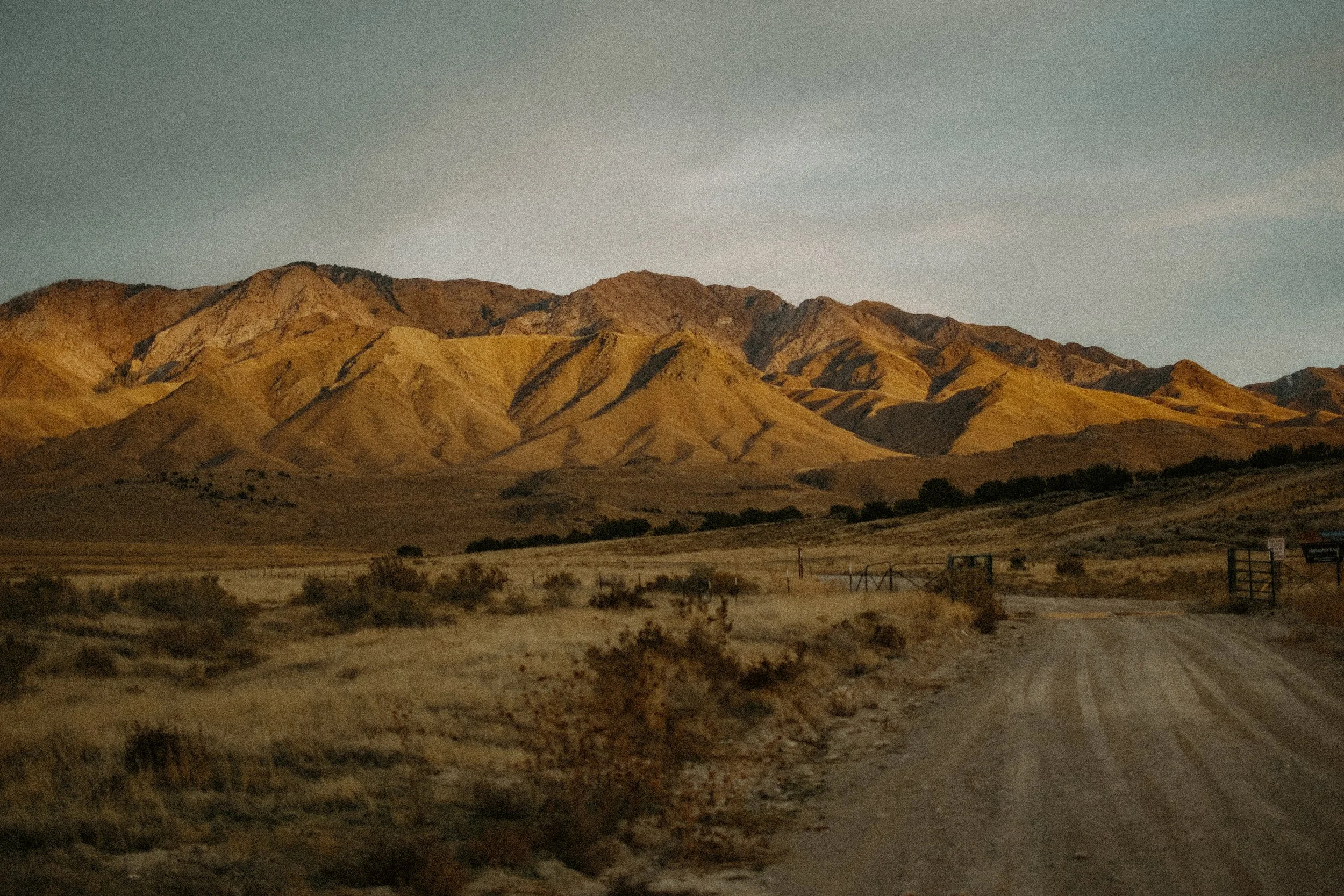
Western Utah, 2018
It is important to carry that awareness with us when we travel. To remember that just because a place feels remote or untouched to us does not mean it lacks significance. Every landscape is someone’s home, someone’s history, someone’s sacred ground.