
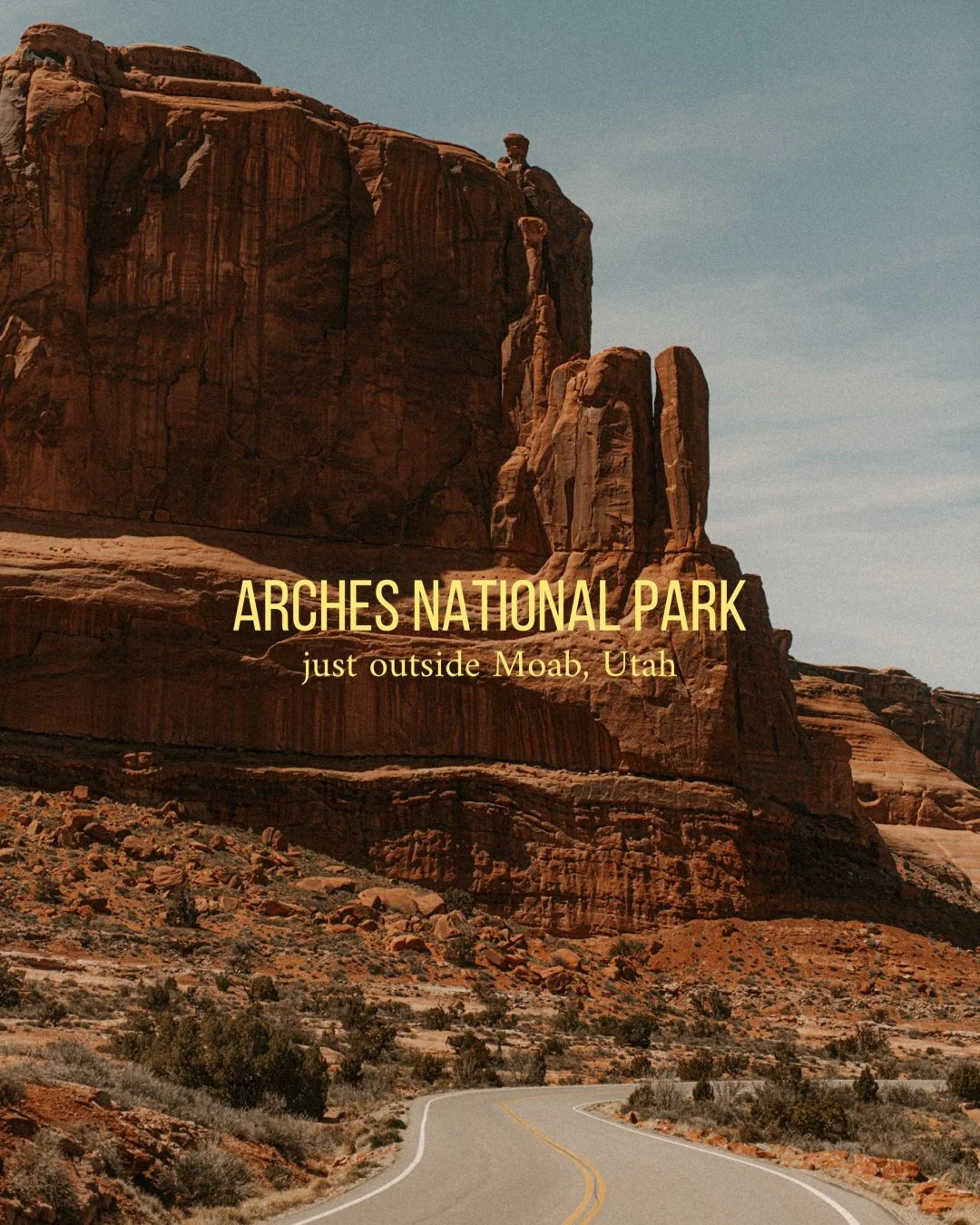
Indigenous Peoples of the Region
Long before Arches National Park became a place people travel from all over the world to visit, this landscape had already been part of human life for thousands of years.
People have been moving through this area for at least 10,000 years. Early hunter-gatherer groups traveled through the desert following animals, gathering plants, and making tools from the stone found throughout the region. Later on, cultures like the Ancestral Puebloans and the Fremont lived in the broader Four Corners area and likely used this landscape seasonally for hunting, travel, and cultural practices.
You can still see pieces of that history today. Some of the rock walls in and around Arches have petroglyphs carved into them, showing people, animals, and symbols that meant something important to the people who made them. These weren’t just drawings. They were a way of sharing stories and marking presence across generations.
How Colonization Changed the Land
By the time Europeans and American settlers began moving into the region in the 1700s and 1800s, tribes such as the Ute and Paiute were living in and using the surrounding lands. Like many Indigenous communities across North America, they experienced intense disruption as westward expansion accelerated.
As settlers moved into the American West, Indigenous communities were increasingly pushed off lands they had used for generations. Treaties were often made and then broken, and many tribes were pressured or forced to relocate to reservations. In Utah and surrounding areas, military campaigns and government policies worked to open land for settlers, mining, ranching, and railroads. Indigenous peoples were frequently treated as obstacles to expansion rather than communities with deep cultural ties to the land.
This period involved violence, forced removal, loss of access to traditional hunting and gathering areas, and attempts to suppress Indigenous cultures and ways of life. Over time, many Native communities were confined to smaller areas of land, far from places they had historically moved through and depended on.
When the area eventually became protected as a national monument and later a national park, it preserved the landscape, but it also changed the relationship between the land and the people who had lived with it for generations.
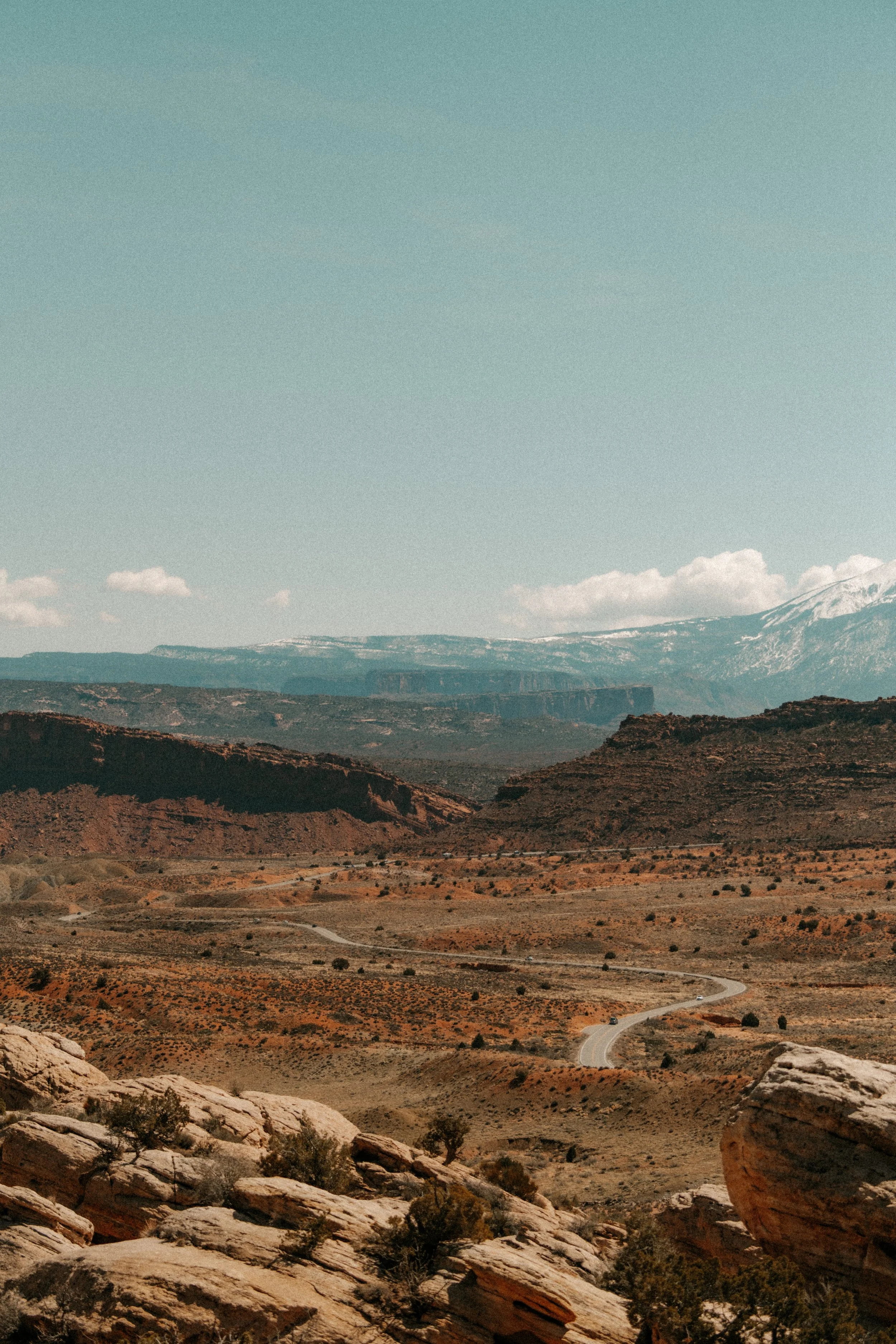
It’s easy to look at the arches and think only about geology. But this place also carries thousands of years of human history.
Respecting the Land When Visiting
If you’re visiting Arches National Park, we must remember that this place is more than incredible geology. It’s also a landscape with thousands of years of Indigenous history. A good way to show respect for the land and that history is by following Leave No Trace principles:
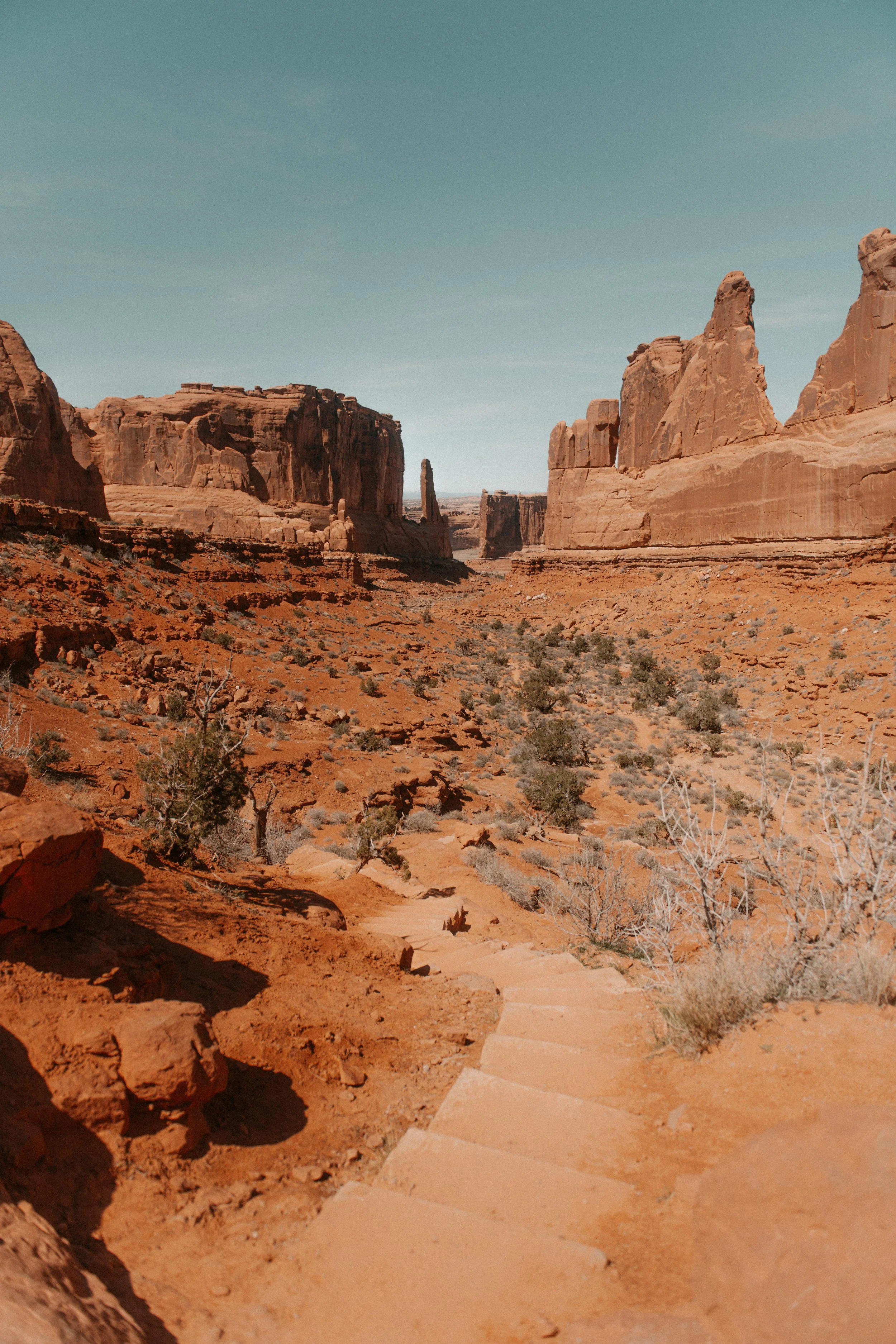
• Stay on established trails and rock surfaces. The desert soil (called biological soil crust) is alive and can take decades to recover if stepped on.
• Don’t touch or climb on rock art or archaeological sites. Petroglyphs, artifacts, and old structures are protected and incredibly fragile.
• Leave rocks, pottery fragments, and artifacts where you find them. Even small items help tell the story of the people who lived here.
• Pack out everything you bring in. Trash, food scraps, and even biodegradable waste don’t belong in the desert.
• Respect wildlife and plants. This is a harsh environment and many species depend on very specific conditions to survive.
• Avoid carving, writing, or stacking rocks. These actions damage the natural and cultural landscape.
• Keep noise low and respect the quiet of the desert. Many people visit for reflection, and these landscapes have deep cultural meaning.
• Follow park regulations and posted signs, especially around protected areas.
Visiting places like Arches is a privilege. Taking care of the land helps preserve both the natural beauty and the long human history that exists there.
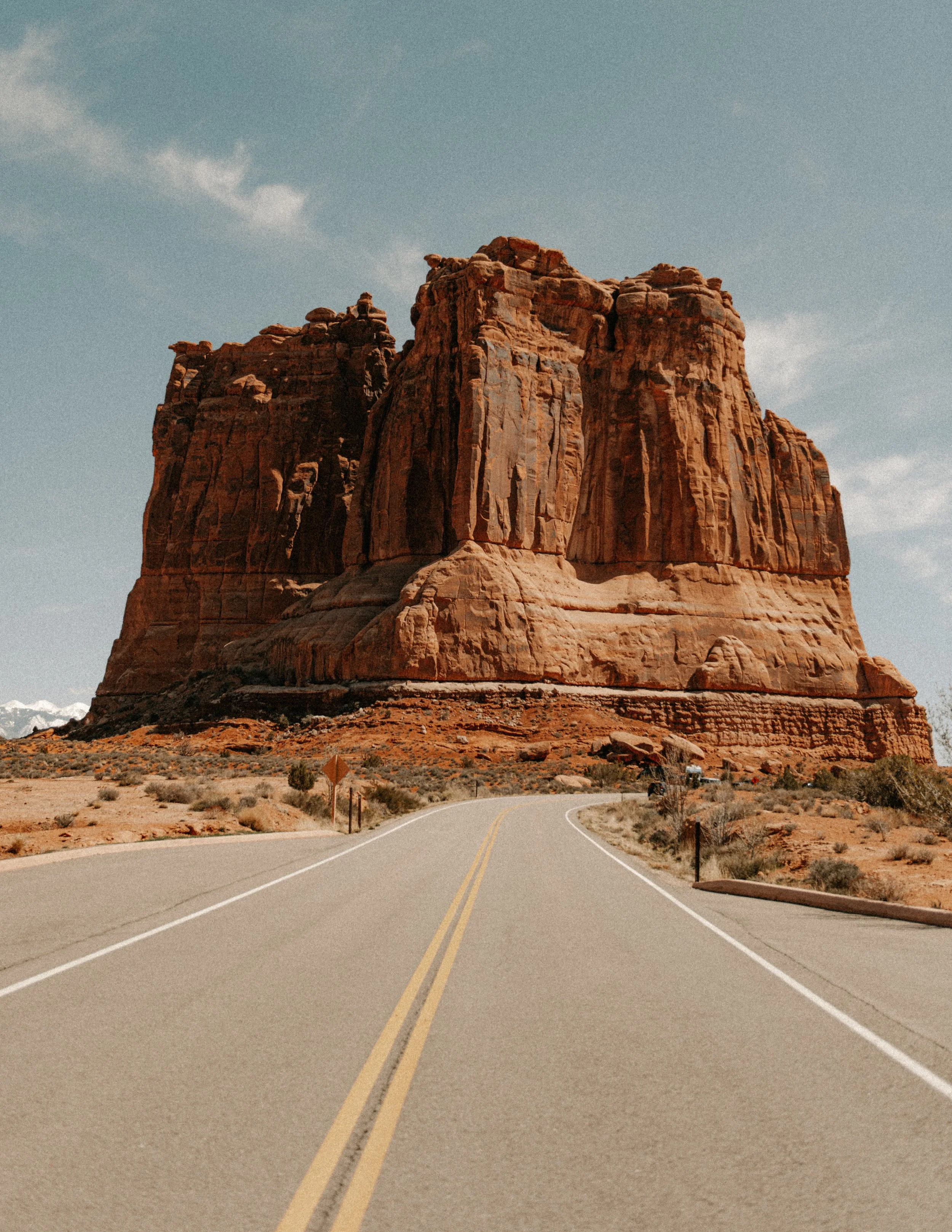
Arches National Park, Utah