
The Ultimate Utah Roadtrip
UPDATED FOR 2026 TRAVEL

The Ultimate Utah Road Trip
The most exciting 2,000 miles you’ll ever drive in one state.
Beautiful locations, tips, food + lodging, travel time, and a little gift at the end as a thank you for all the support from my followers. You are the real MVPs.
Follow along for more adventures on Instagram: @victoriaandreozzi
NOW LET’S GET PLANNING!
Who doesn’t have road-tripping through Utah on their bucket list? Utah is jam packed with literally EVERYTHING you need to have the best vacation ever. All it’s missing is the ocean, but trust me… there are PLENTY of places to swim… without sharks! HUGE bonus in my book.
Before you go (updated for 2026)…
1.) Save money with the right passes.
America the Beautiful Annual Pass: In 2026, there’s a new pricing tier: $80 for U.S. residents and $250 for nonresidents. Some parks also charge a $100 per-person nonresident fee (16+) at 11 high-visit parks, including Zion and Bryce Canyon.
Utah State Parks Annual Day-Use Pass: Covers day-use entry to Utah state parks for you + up to seven people in the same vehicle (camping not included).
2.) Know what needs reservations or permits.
Arches (2026 update): No timed-entry reservation requirement this year, but expect lines and full parking during peak hours. Devils Garden Campground and Fiery Furnace access still require reservations/permits.
Zion shuttle season: When shuttles are running, private vehicles are not allowed on Zion Canyon Scenic Drive, so plan to park and ride. Shuttles resume March 7, 2026 (schedule changes seasonally).
Angels Landing: A permit is required. 2026 seasonal lottery dates are posted by Zion (plus a day-before lottery option).
Antelope Canyon: Guided tours are mandatory for all Antelope Canyon locations, and there is a per-person Navajo Parks entry fee (tour cost is separate).
3.) Road trip rule that will save your day.
If you’re traveling with an RV, trailer, or oversized rig: starting June 7, 2026, Zion will enforce size/weight limits on the Zion-Mt. Carmel Highway section between Canyon Junction and the East Entrance. More info HERE.
4.) Leave No Trace, everywhere.
Pack out every scrap, stay on trails, and don’t be the reason places get closed.
Ready? Here is my list of the MUST-SEE places that Utah has to offer, and how you can visit them all in one road trip!
THE ULTIMATE UTAH ROAD TRIP
1.) Salt Lake City to Moab (about 4 hours)
Give yourself 1.5 to 2 days here. Moab is small, fun, and surrounded by ridiculous scenery.
THINGS TO DO AROUND MOAB:
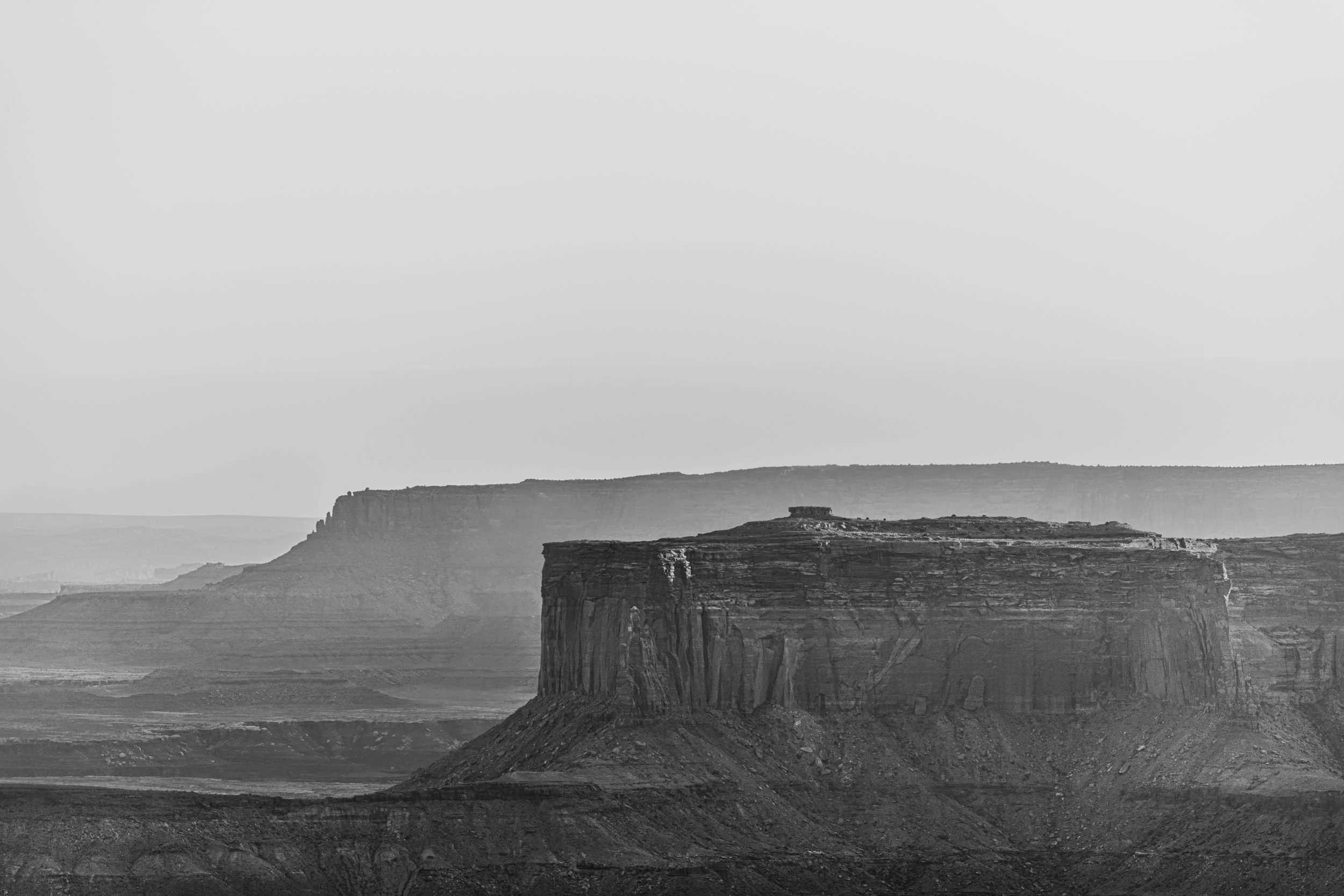
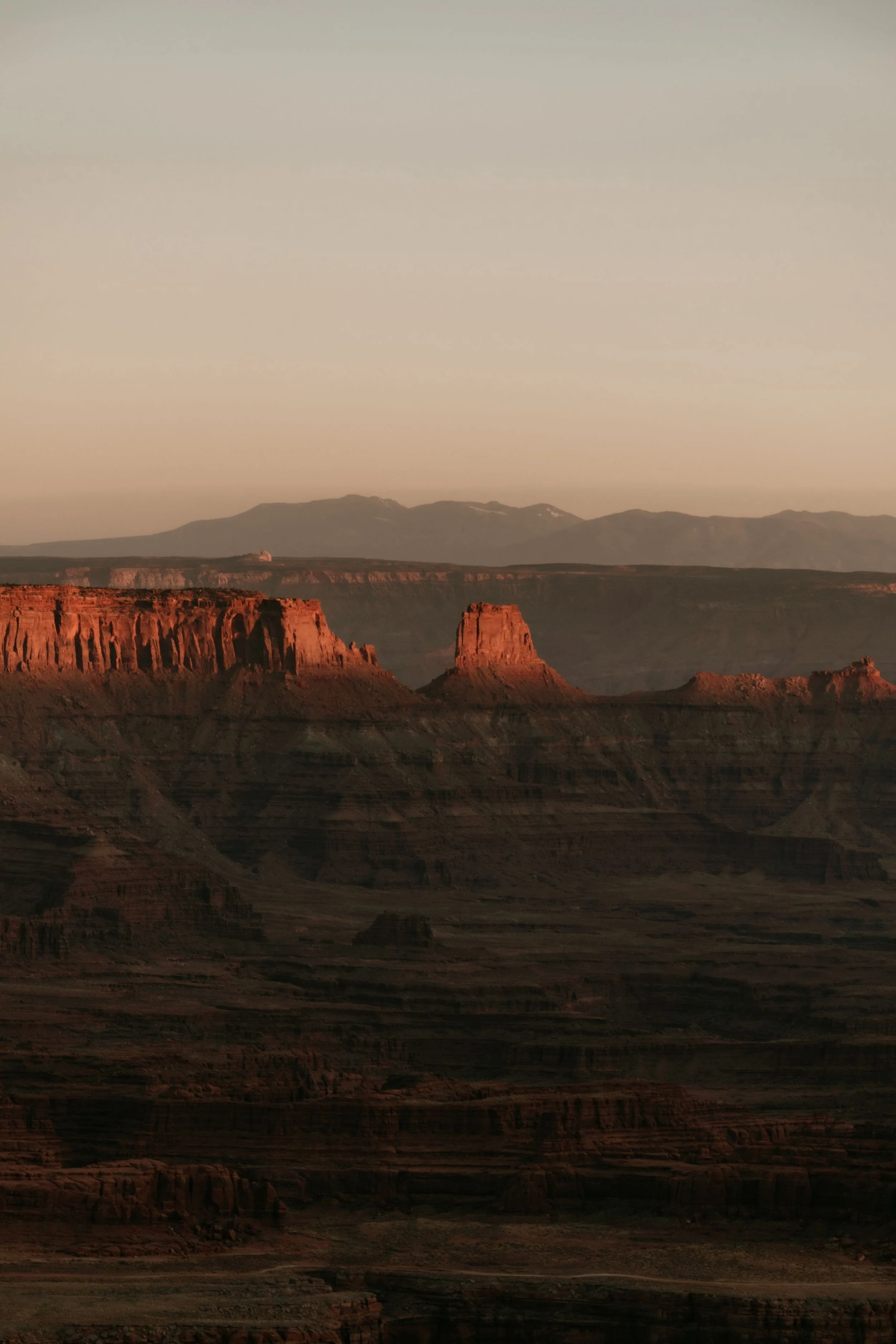
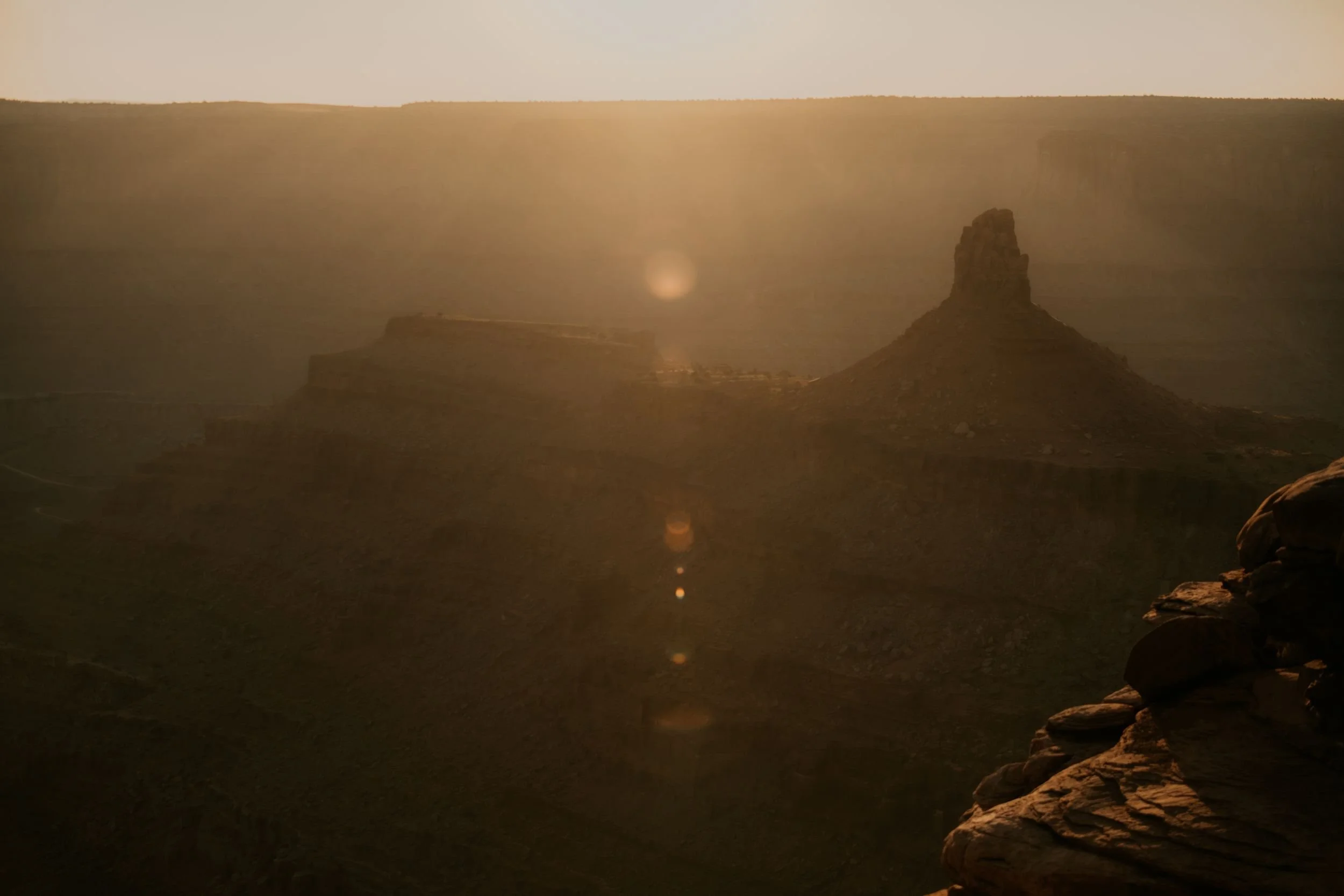
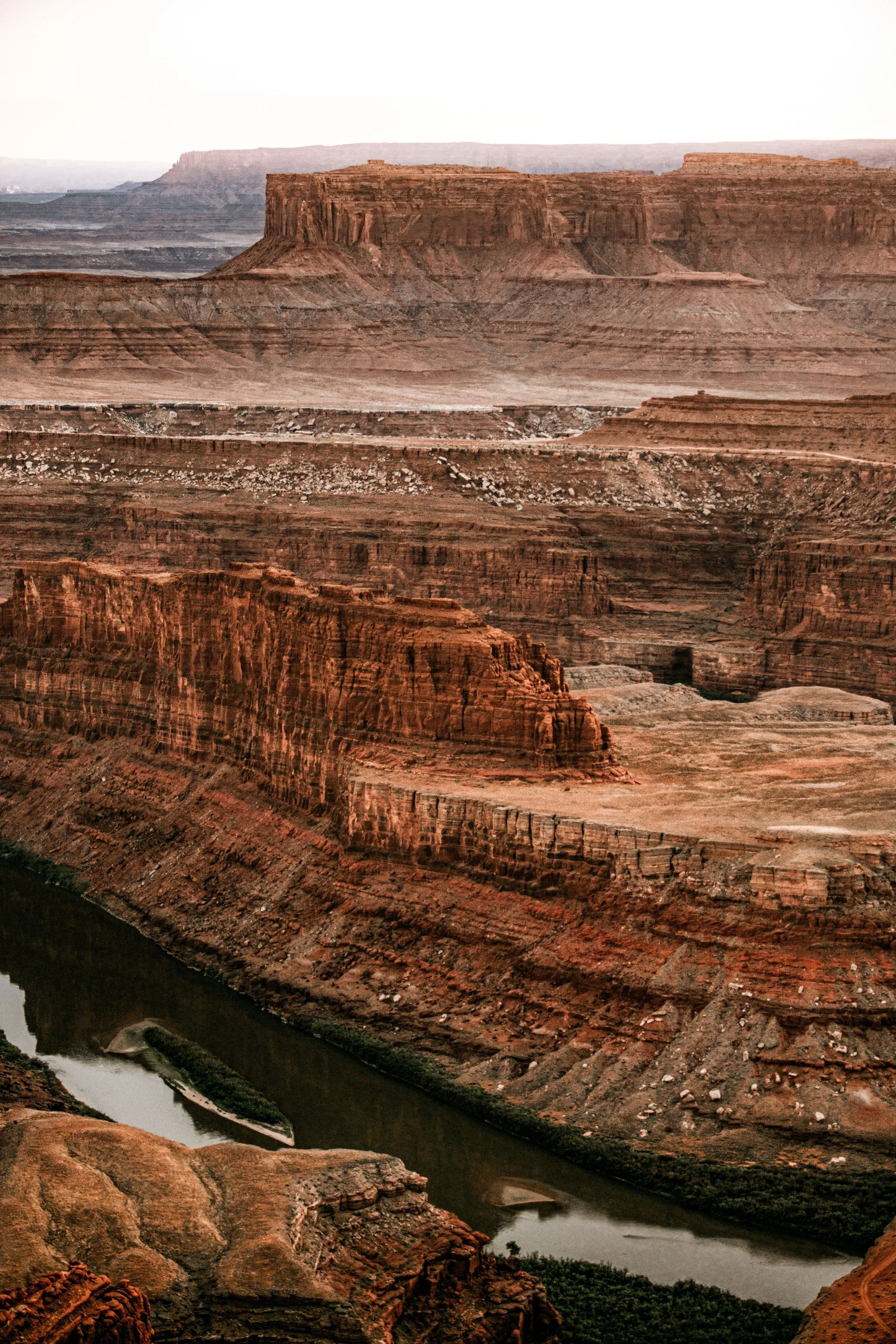
Canyonlands + Dead Horse Point for the most incredible sunset (Day 1 – spend at least half a day exploring)
If you time your trip out right, head into Canyonlands to explore right when you get into Moab, and then visit Dead Horse Point on the way back. No matter what you do, BE AT DEAD HORSE POINT FOR SUNSET! Photographers – bring your best equipment! The sunset is UNREAL.
CANYONLANDS NATIONAL PARK HISTORY: Canyonlands holds more than 10,000 years of human history. The park’s story includes ancient hunting and gathering traditions, later farming cultures such as the Fremont and Ancestral Puebloans, and the continuing connections of today’s Native nations. NPS notes that local Ute and Paiute cultures developed in part from earlier societies, and that the Diné (Navajo) established strong ties in the Four Corners region after arriving from the north. Colonization and settlement changed land access and governance, but this remains an ancestral homeland with living meaning.
Arches National Park (Day 2 – give yourself an entire day to explore)
In Arches National Park, there are plenty of bathrooms but no places for food, so bring lots of snacks and water!
2026 note: no timed-entry required, but go early for the best parking and fewer crowds.
ARCHES NATIONAL PARK HISTORY: Arches is more than iconic stone. It is part of an ancestral homeland where Native peoples have stewarded the land since time immemorial, and the National Park Service recognizes enduring connections among many tribes, including the Hopi Tribe, Navajo Nation, Ute Mountain Ute Tribe, Ute Indian Tribe, White Mesa Ute, and Zuni Tribe (among others). Euro American expansion and land dispossession reshaped access and authority across the region, but Indigenous presence and relationship to these places remains ongoing.
WHERE TO EAT IN MOAB:
Moab Brewery Food is BOMB, and so are the local brews. Worth a visit!
Moab Coffee Roasters A quick one-stop-shop before entering the parks!
Eklecticafe SO CUTE, comfortable outside and inside seating, bomb food.
WHERE TO SLEEP IN MOAB:
Camp in Arches National Park Plan WAY ahead of time. I have never gotten a campsite week or day-of in Arches!
BLM Land Like anywhere you travel, looking into staying on BLM land is always an option! Use the free app FreeRoam to find campsites near you. As always, follow Leave No Trace and pack up everything you bring, even food scraps. BLM dispersed camping commonly follows a 14-days-in-28 stay limit (verify locally).
Inca Inn For the price, this place is amazing. It’s in between downtown Moab and Arches National Park, and was so clean and comfortable. If you don’t feel like camping, this is a great option!
MOAB HISTORY: Moab sits in the heart of the Colorado Plateau, a living cultural landscape with deep Indigenous roots. Communities most often associated with this region include the Ute (Noochew), Diné (Navajo), Paiute (Nuwuvi), and Hopi (Hisatsinom), alongside much older archaeological records such as Fremont and Ancestral Puebloan histories. Spanish and later United States expansion brought routes, extraction, and settlement that disrupted Native land relationships, even as tribal connections to the area continue.
2.) Moab to Wilson Arch (30 minutes)
Just a quick highway stop (US-191 S)! Easy 5 to 10 minute hike, great leg-stretcher, usually way less crowded than the Arches hotspots.
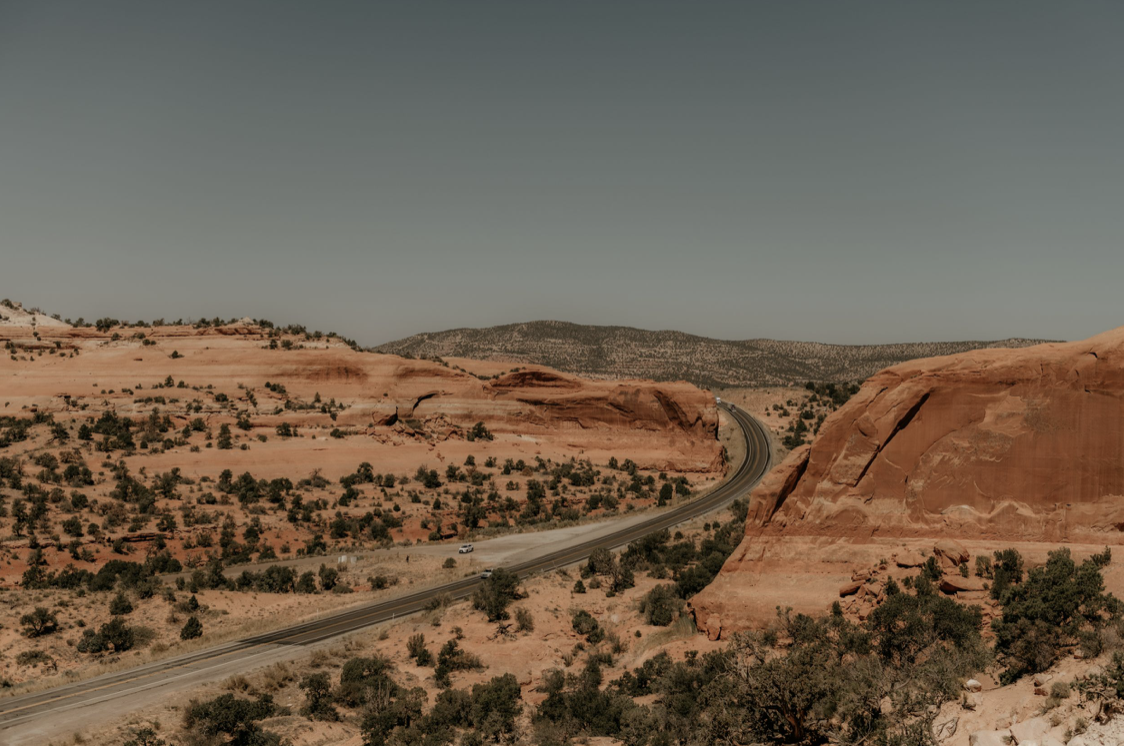
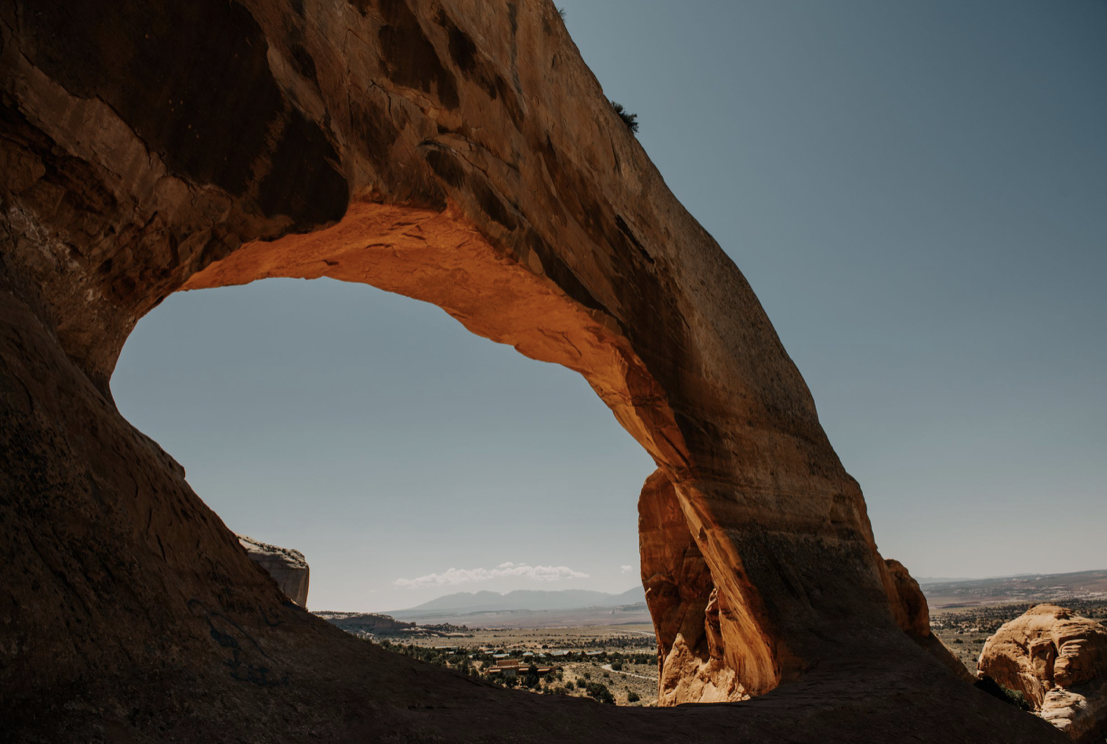
WILSON ARCH HISTORY: Wilson Arch stands beside a modern highway, but its human history reaches far beyond roadside pullouts. This part of southeastern Utah is within the Colorado Plateau’s Indigenous homelands, where Ute, Diné (Navajo), Paiute, and Hopi histories are deeply rooted. The arch’s current name comes from a local Euro American settler, reflecting how colonization often replaced older place names and narratives with new ones, even as Native relationships to the land persist.
3.) Wilson Arch to Recapture Reservoir (50 minutes)
Swim stop or a simple overnight.Read about the reservoir HERE.
We drove right passed Recapture Reservoir and almost missed it, then decided to turn back to check it out. SO WORTH IT. We took a dirt road down a path to a little beach that we had all to ourselves… so OF COURSE we took a quick dip in our birthday suites! THINGS I’D DO DIFFERENTLY NEXT TIME: have a 4 wheel drive car, and bring water shoes. The bottom on the reservoir is so slimy! Other than that, 10/10 experience. So refreshing and worth the break in driving!
*NOTE: Free camping is available, but there are no garbages or bathrooms at Recapture Reservoir! Great place for kayaking, swimming and other water activities, just be prepared to bring all your trash with you on the way out!
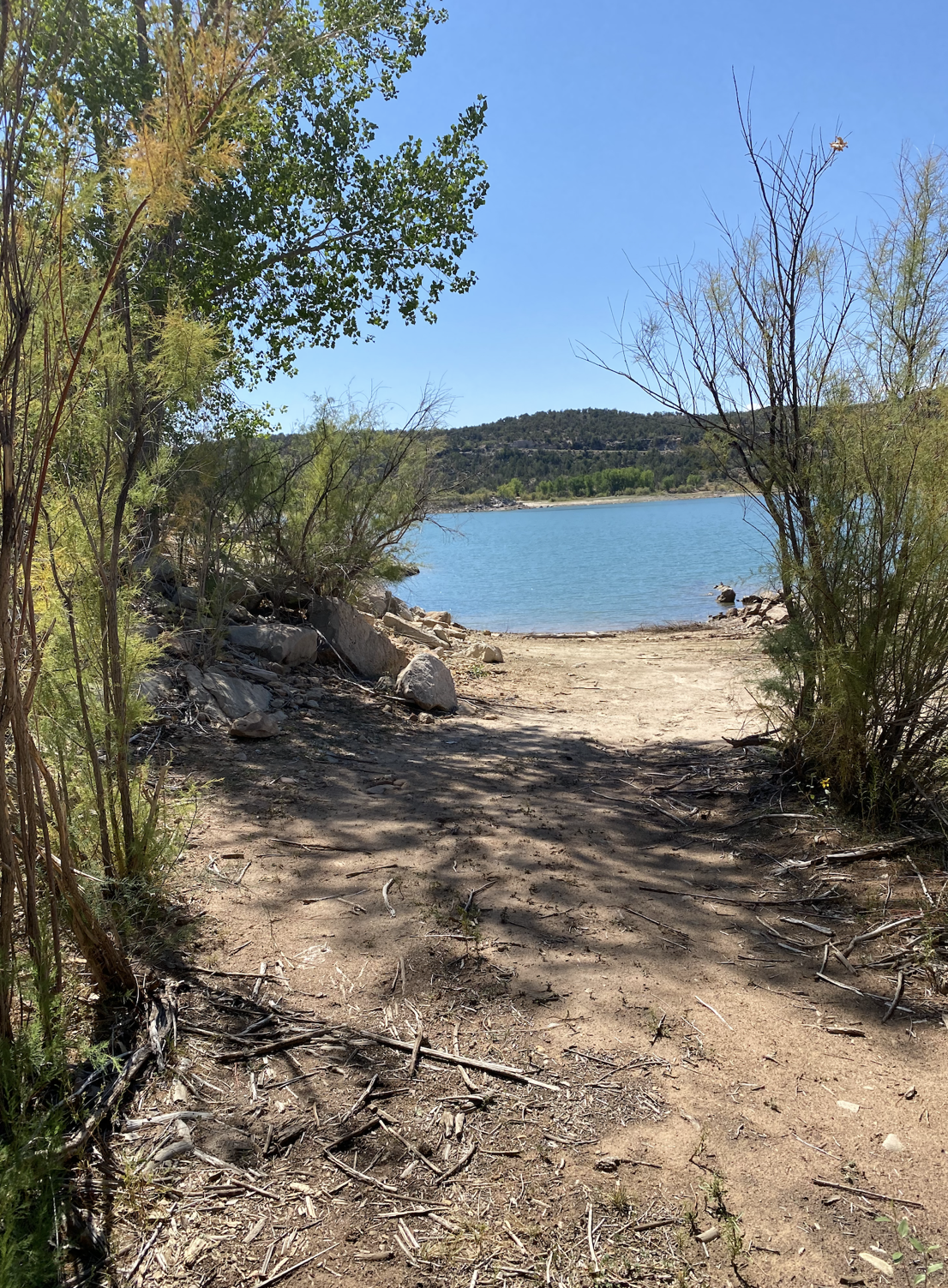
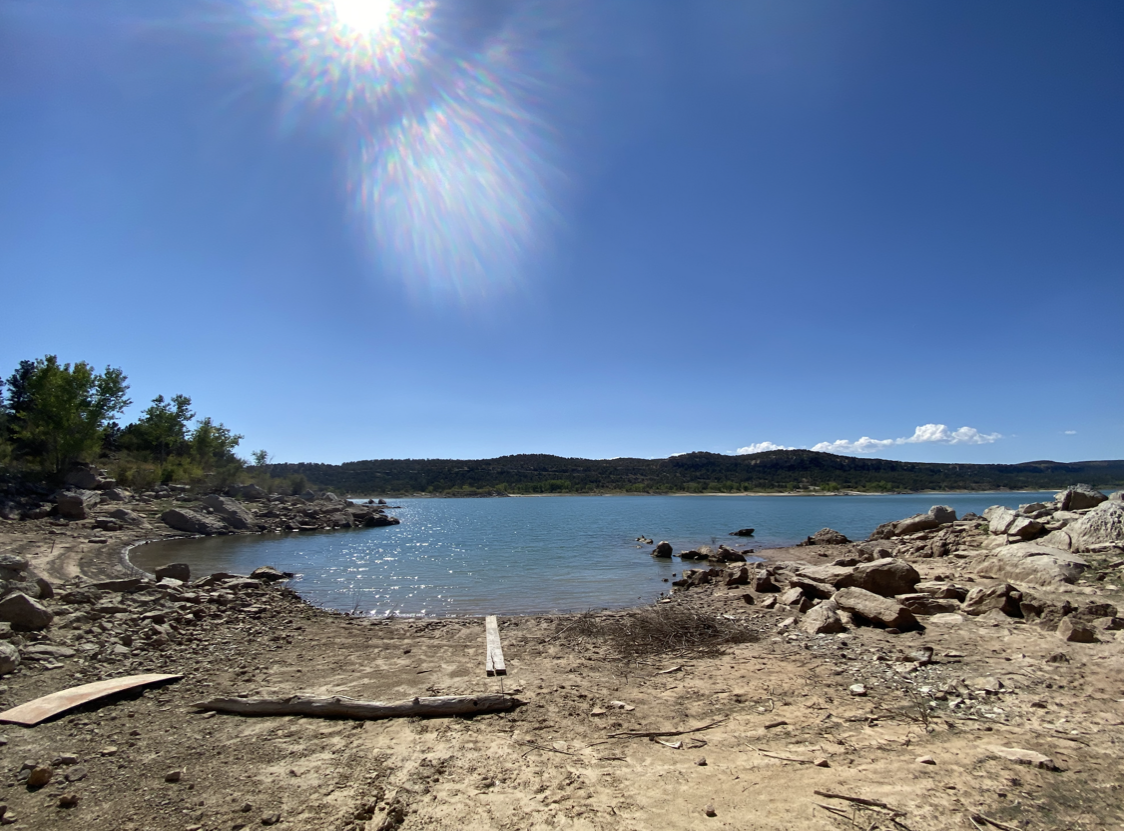
RECAPTURE RESERVOIR & THE CEDAR MESA AREA’S HISTORY: This stretch of the trip runs near Cedar Mesa, a cultural landscape sacred to many, including the Ute, Hopi, and Navajo, as well as other Pueblo peoples. These lands hold thousands of years of stories, ceremony, and subsistence knowledge. The arrival of settlers and new travel corridors brought dispossession and ongoing impacts to cultural sites and traditional use, but tribal nations remain active stewards and advocates for this region today.
4.) Recapture Reservoir to Monument Valley (1 hour 40 minutes)
Even if you only do viewpoints, this area is unreal.
Updated 2026 Monument Valley notes:
Hours vary by season; the Scenic Drive has a last-entry time (often earlier than closing).
The 17-mile loop is rough and sandy. The Navajo Nation site notes that RVs, camper vans, motorcycles, large SUVs, and off-road vehicles are prohibited on the valley drive. Plan to do viewpoints or book a guided tour if your vehicle is not a fit.
Navajo Nation Parks do not accept the National Park Pass, and entry fees are per-person/per-location.
Updated information HERE.
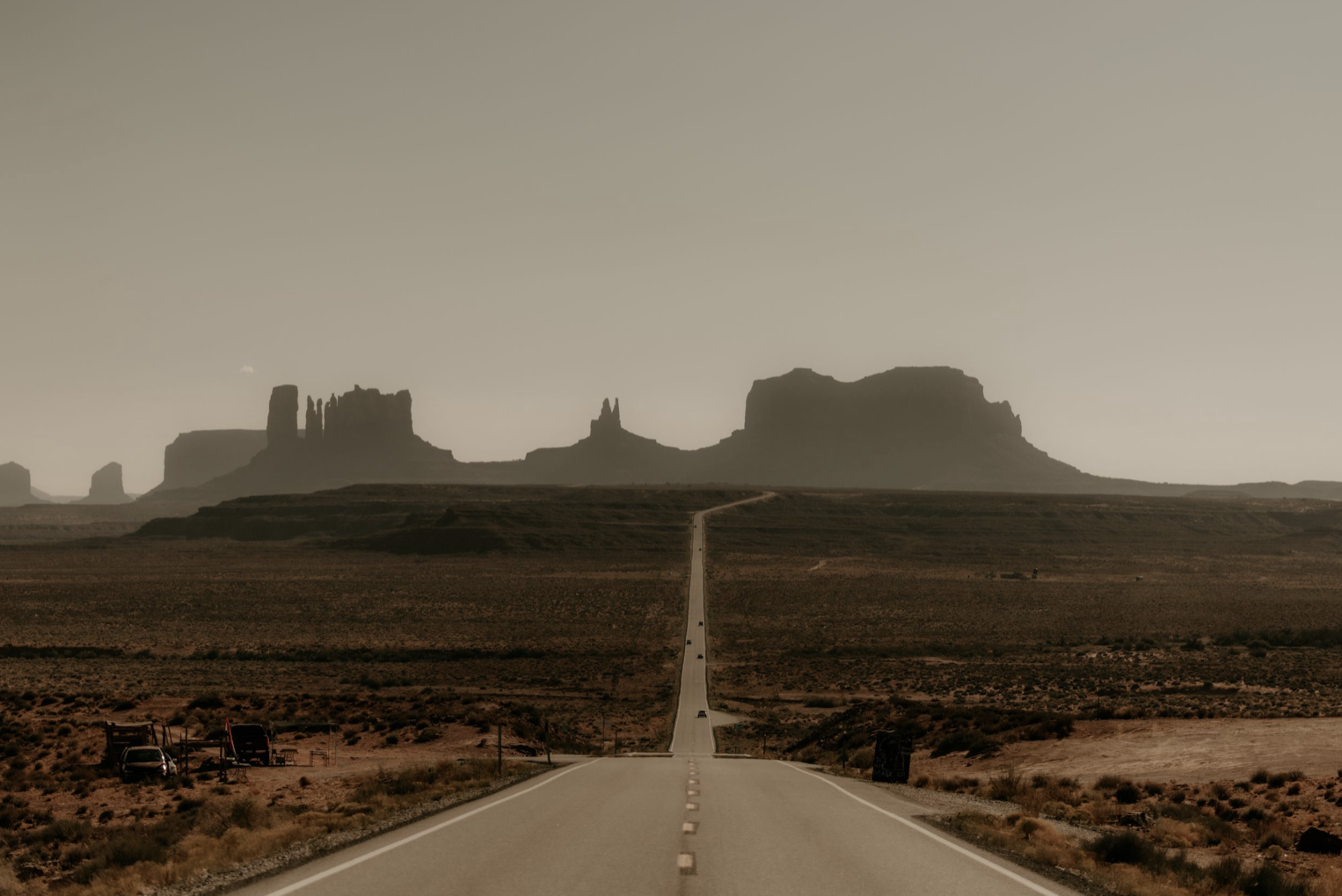
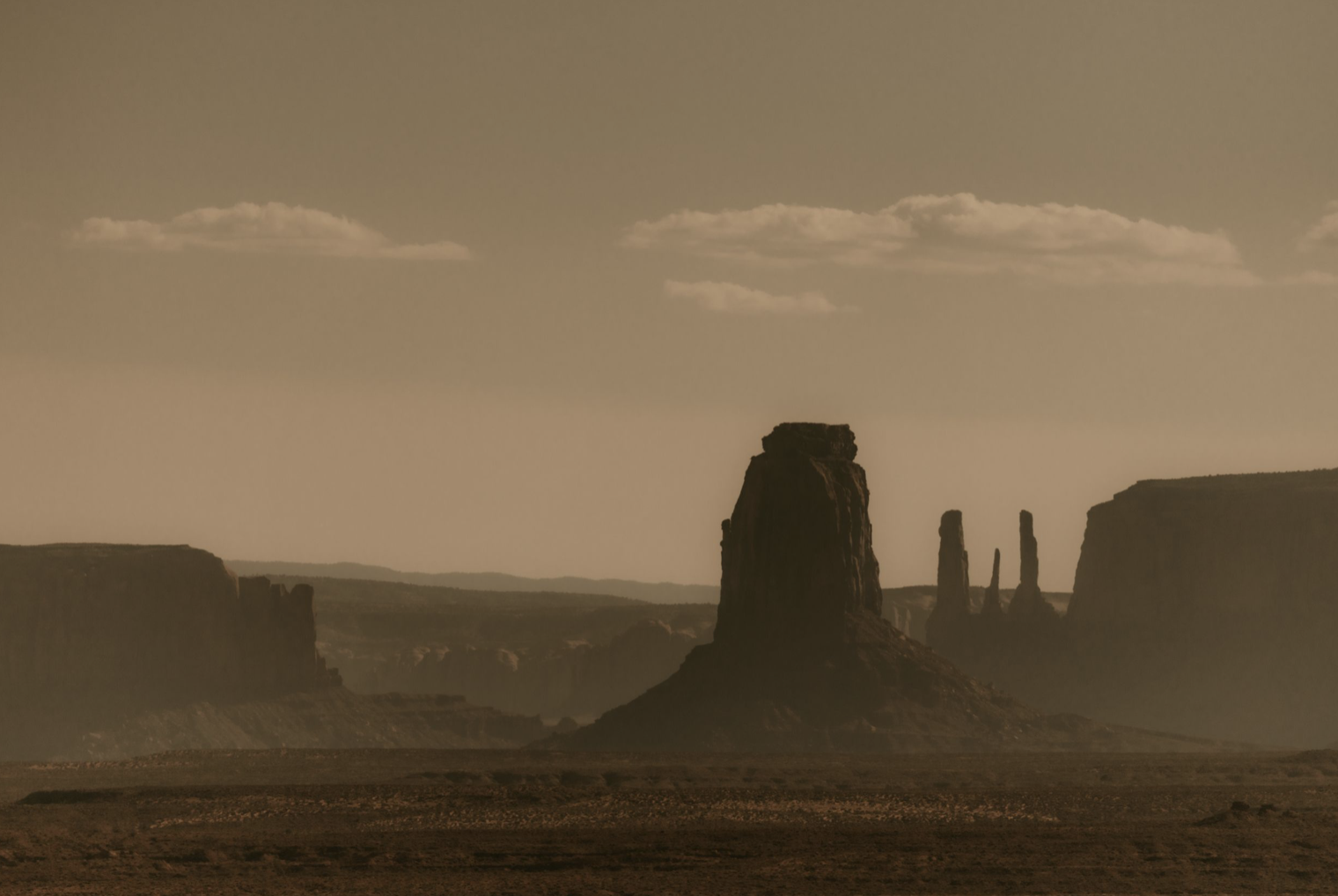
MONUMENT VALLEY HISTORY: Monument Valley is within the Navajo Nation, and today it is protected and managed as Monument Valley Navajo Tribal Park, an expression of Diné sovereignty and cultural stewardship. Yet the broader 1800s era of United States expansion in the region included forced removals and profound trauma for the Diné, including the Long Walk and internment at Bosque Redondo before return under the 1868 treaty. Visiting with respect means remembering both the beauty and the history, and recognizing the living community for whom this place is home.
5.) Monument Valley to Lake Powell (about 2.5 hours)
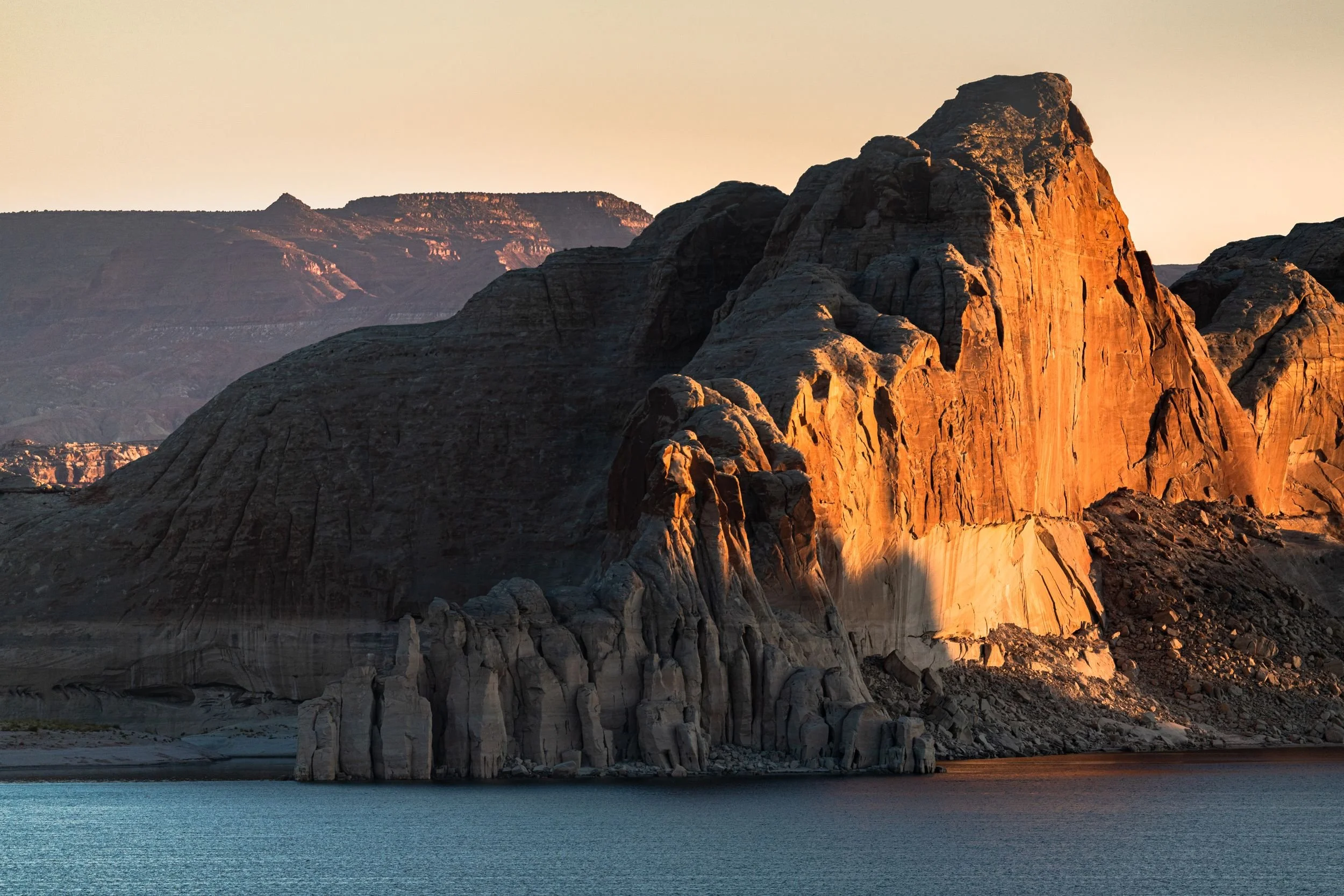
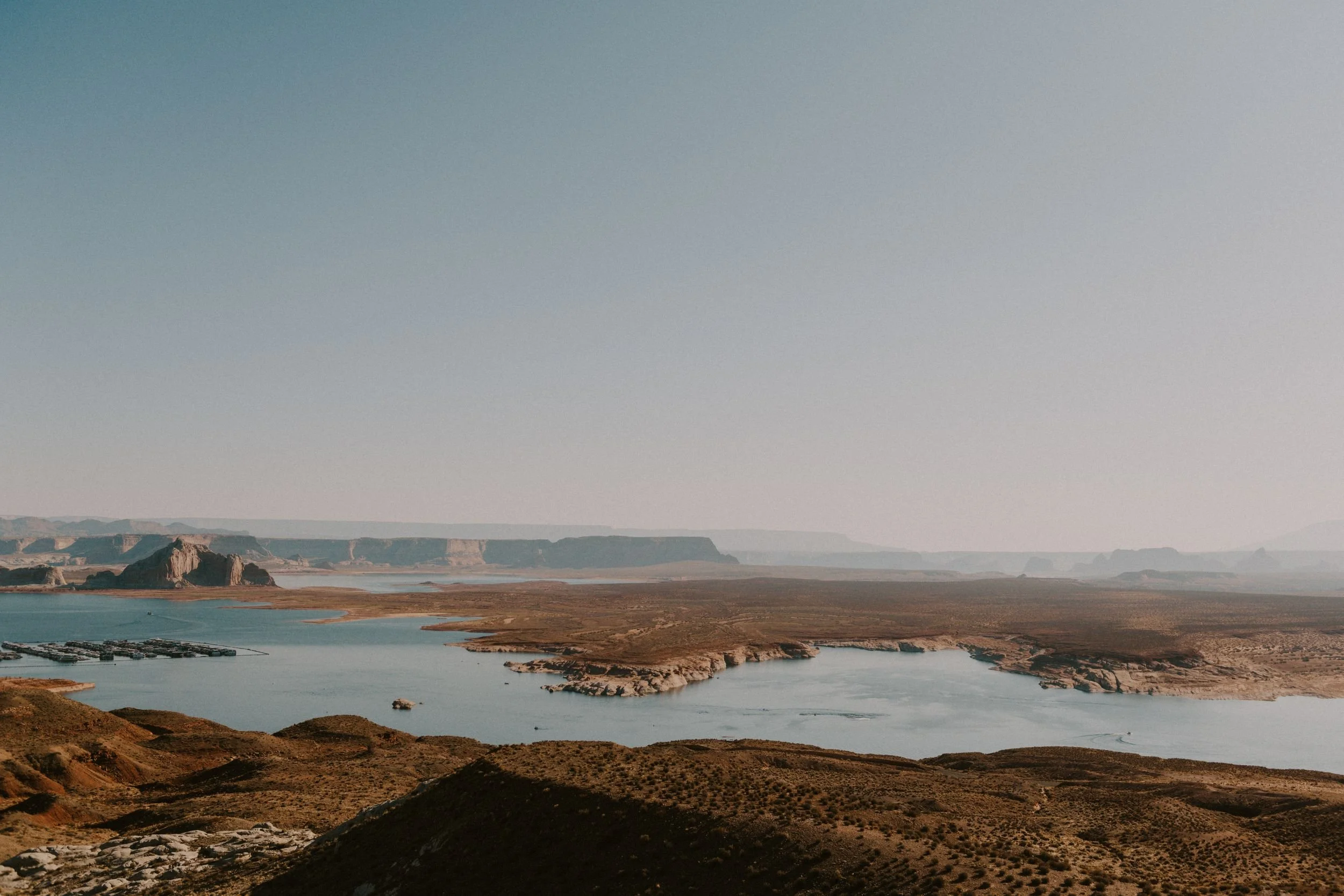
Lake Powell is one of the greatest places on earth. If possible, plan to spend AT LEAST 2 days exploring!
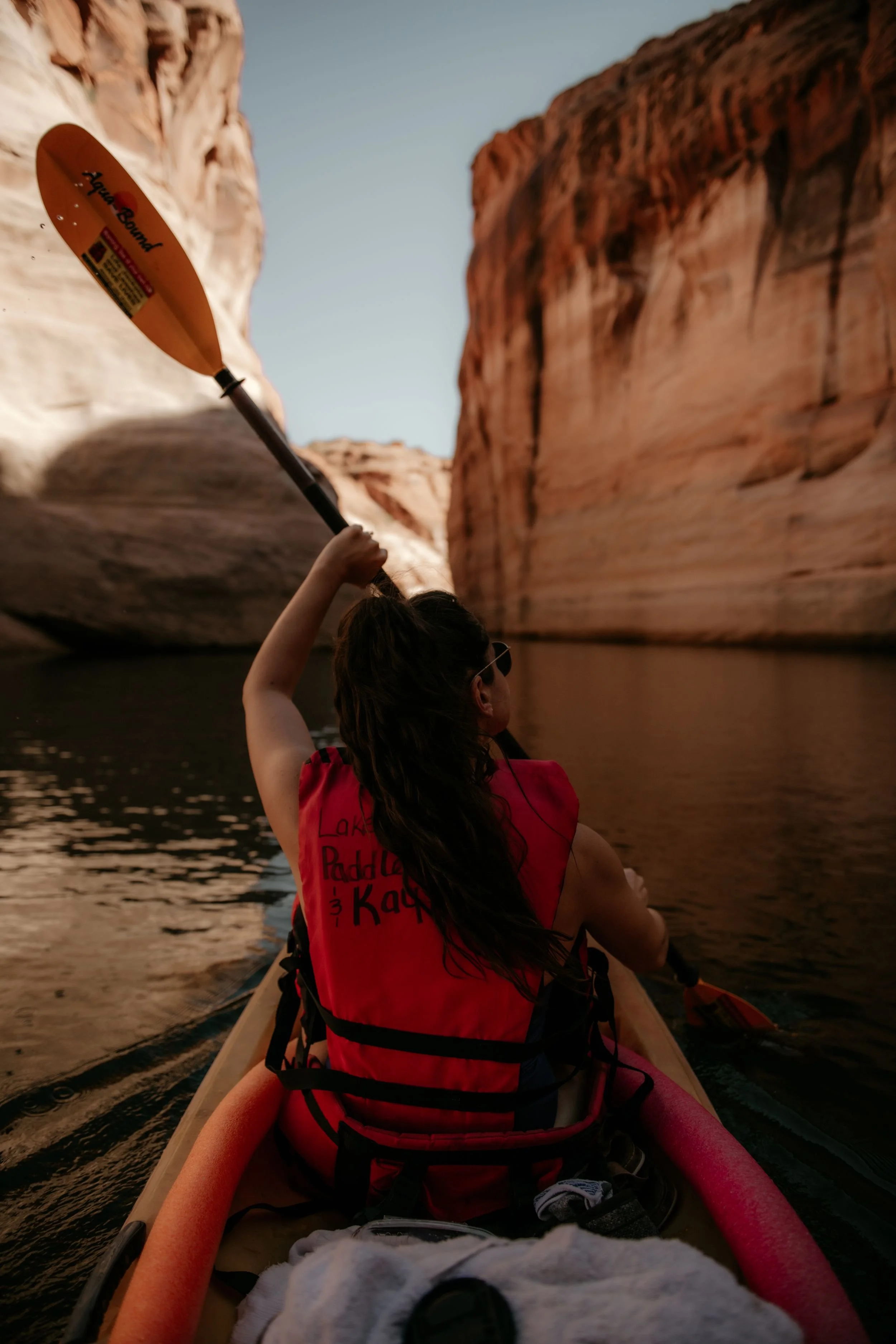
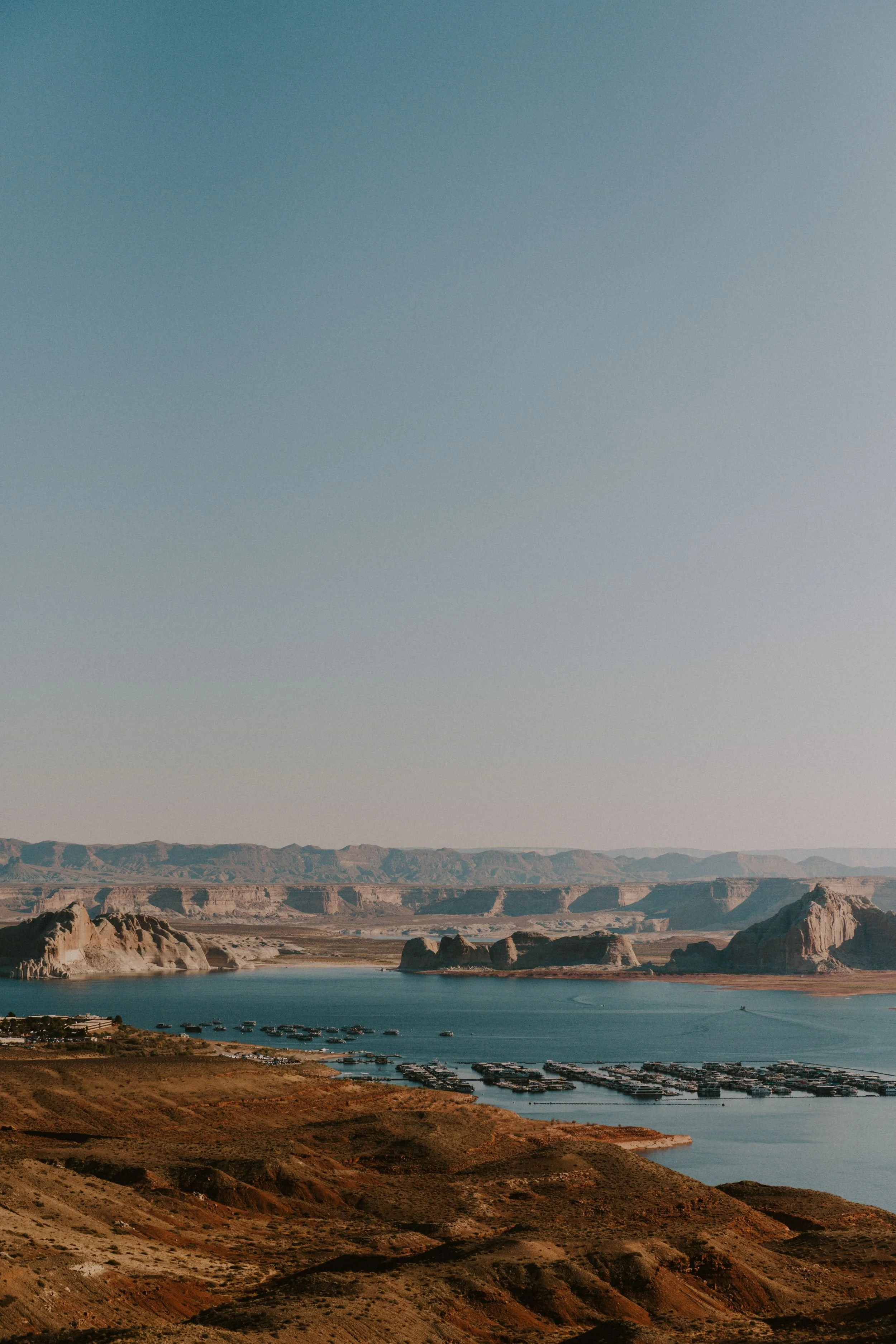
THINGS TO DO IN AND AROUND LAKE POWELL:
Kayak Glen Canyon – make this a priority!!!
I have never experienced such peace, mystery and excitement in any other activity as I did kayaking Glen Canyon. This is something you will remember for the rest of your life. We got SO LUCKY because, after calling places all morning, we found one rental shop that had kayaks available!
Lake Powell Paddleboards and Kayaks – a smaller rental shop that not only hooked us up with everything we needed, but gave us a honeymoon discount! They were so kind and helpful, and they let us keep the kayaks overnight so we could experience the sunset on the lake! I HIGHLY recommend making any and all rental reservations with them before anyone else!
While kayaking Glen Canyon, make sure you go all the way to the end and hike the slot canyons! This will take 1-2 hours, so be sure to bring comfortable shoes! Since we were in and out of the water, I wore Chaco sandals the entire trip and had no problems!
LAKE POWELL AND GLEN CANYON HISTORY: For many Indigenous peoples, Glen Canyon is a spiritually alive landscape inseparable from identity and tradition. NPS lists affiliated tribes including the Hopi Tribe, Navajo Nation, Paiute Indian Tribe of Utah, Kaibab Paiute Tribe, San Juan Southern Paiute, Pueblo of Zuni, and Ute Mountain Ute. In the 20th century, Glen Canyon Dam created Lake Powell and began filling in 1963, transforming access, shorelines, and the management of cultural places across a vast area. Indigenous ties to the canyon country continue, even as the modern reservoir reshaped the land.
Horseshoe Bend for sunrise or sunset!!
HORSESHOE BEND HISTORY: Horseshoe Bend is part of Glen Canyon National Recreation Area, where park boundaries meet nearby communities and Navajo Nation lands in close proximity. This is canyon country with layered Indigenous histories and continuing relationships among tribes affiliated with the Glen Canyon region. Modern visitation sits on top of much older traditions of place knowledge and stewardship, made more complex by colonial era border making, land loss, and shifts in jurisdiction over time.
Antelope Canyon Tours was closed when we visited, so we kayaked Glen Canyon to get to the canyon. If it’s open, you way want to do Antelope Canyon and Glen Canyon separately!
ANTELOPE CANYON HISTORY: Antelope Canyon is within Navajo Nation lands and access is managed through Navajo Nation Parks, with guided tours required. This reflects not just safety, but sovereignty and stewardship of a place that holds cultural meaning and responsibility. Like much of the Colorado Plateau, the area’s Indigenous histories long predate modern borders, and colonization brought displacement and disruption. Visiting today is an opportunity to support Diné led caretaking and to treat the canyon as more than a photo backdrop.
Peek-a-boo Slot Canyon if antelope canyon is closed, there are so many other slot canyons in the area! Please check the weather before entering a slot canyon, and avoid if there is even a chance of rain! Slot canyons FLOOD very fast and can be very dangerous, and even deadly!
THINGS TO BRING WHEN KAYAKING GLEN CANYON:
Water
Snacks
Waterproof backpack
We brought our Yeti Panga backpack for all our gear, and also bought a waterproof bag that was around $20 at Lake Powell Paddleboards and Kayaks.
Comfortable shoes for hiking in the canyon (Chaco for the best sandals to hike in!)
Sunscreen!!!
Sunglasses
GoPro (with float case!)
WHERE TO SLEEP IN LAKE POWELL:
Lake Powell Resort at Wahweap – Lake access? Yep. Pool? Yep. Amazing restaurants? … YEP! We stayed 2 nights at this resort and I really don’t think you’ll want to stay anywhere else once you check out their website! It was so affordable, and had the best views! PRO TIP: Wake up for sunrise and head to the pool area! The view is UNREAL!
6.) Lake Powell to Bryce Canyon National Park (about 2.5 hours)
Leave Lake Powell early in the morning to drive through Bryce Canyon to hike and adventure through the late morning/afternoon, and then head to Zion to stay overnight! We spent about 2 hours in Bryce, but you may want to spend more time there!
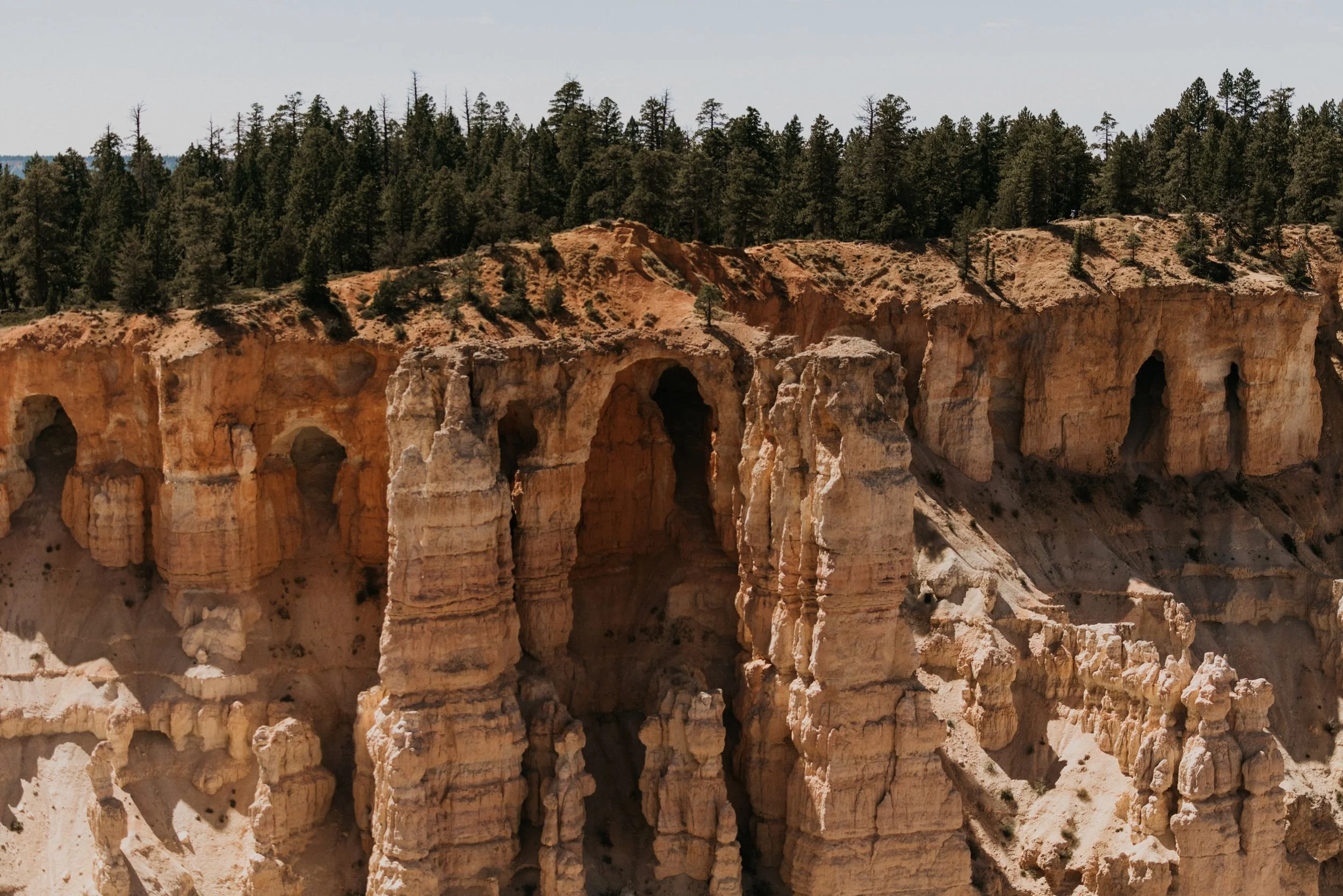
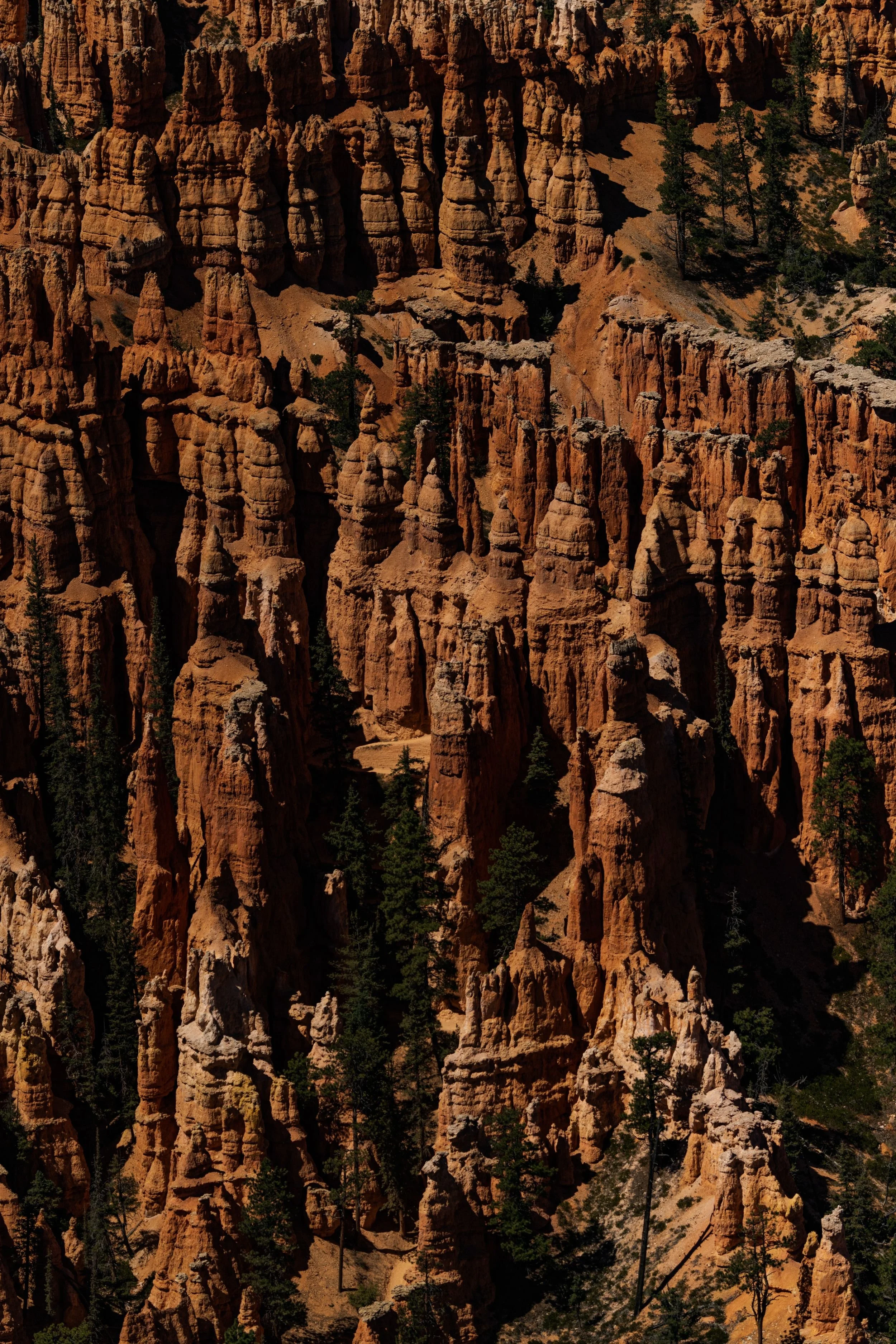
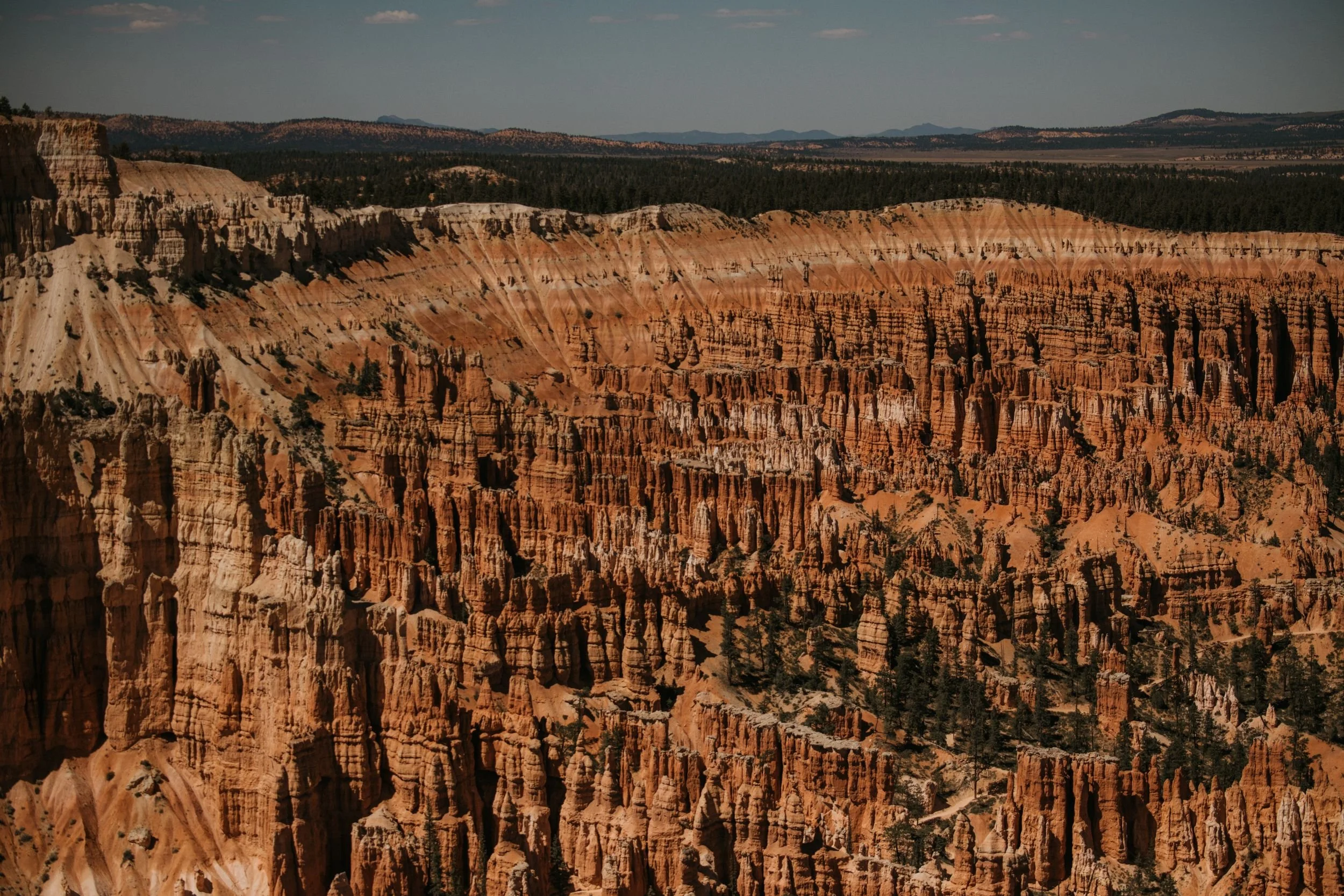
BRYCE CANYON NATIONAL PARK HISTORY: The hoodoos of Bryce Canyon rise from a landscape shaped by deep time and deep human memory. NPS notes that Paiute peoples occupied the area around Bryce Canyon from around 1200 CE, using the plateau seasonally for hunting and gathering, and that tribal elders from Southern Paiute, Hopi, Zuni, Ute, and Navajo communities share both ancestral and modern relationships with this place. Euro American settlement brought displacement and lasting change across southern Utah, but Native nations continue to carry Bryce within living tradition and story.
7.) Bryce Canyon to Zion National Park (about 1 hour 20 minutes)
Yes, there’s some backtracking. It’s still worth it.
IMPORTANT NOTE: During shuttle season, you cannot drive Zion Canyon Scenic Drive in your own car. Plan to park and use the shuttle system. Check HERE for updates.
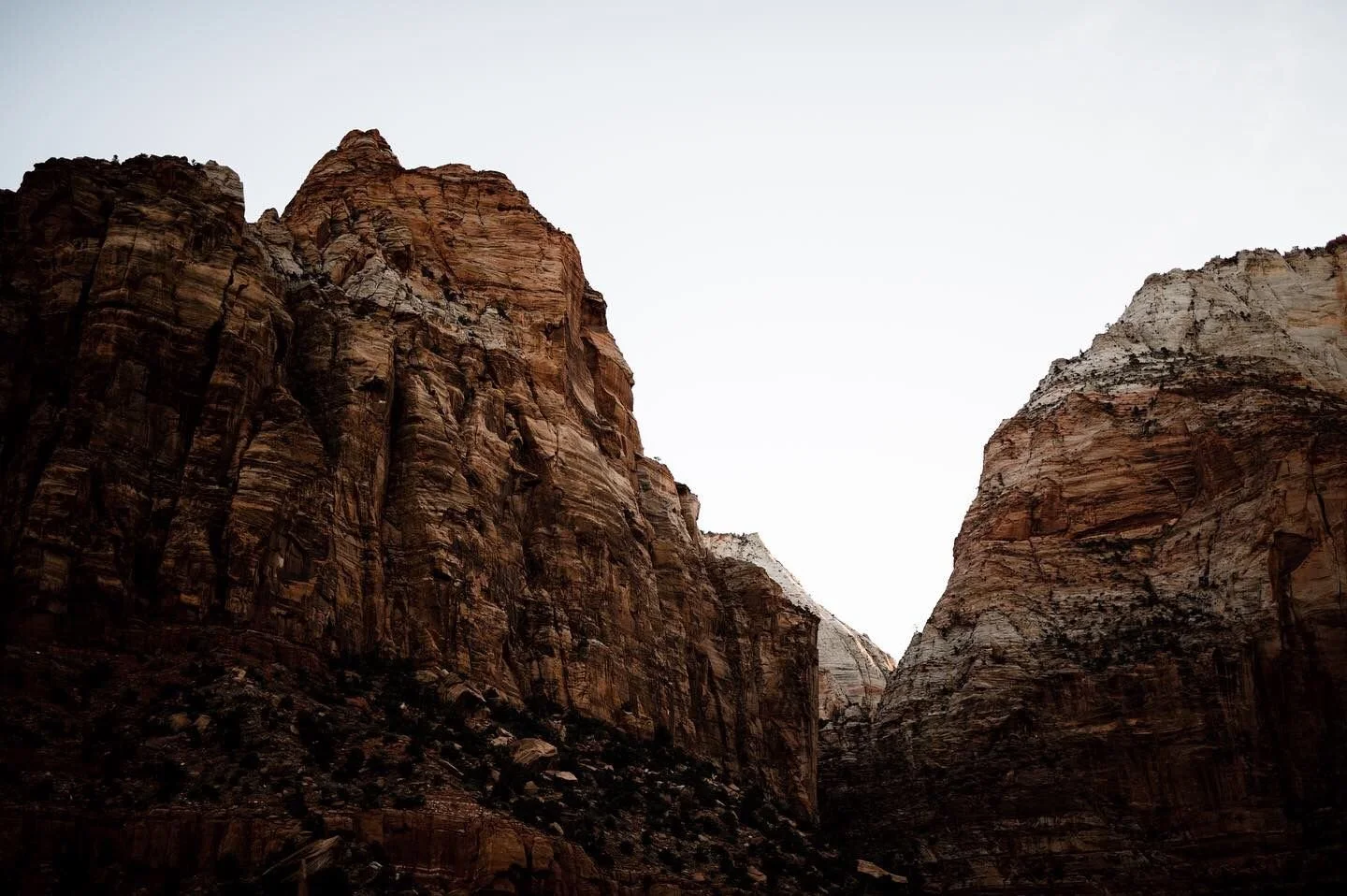
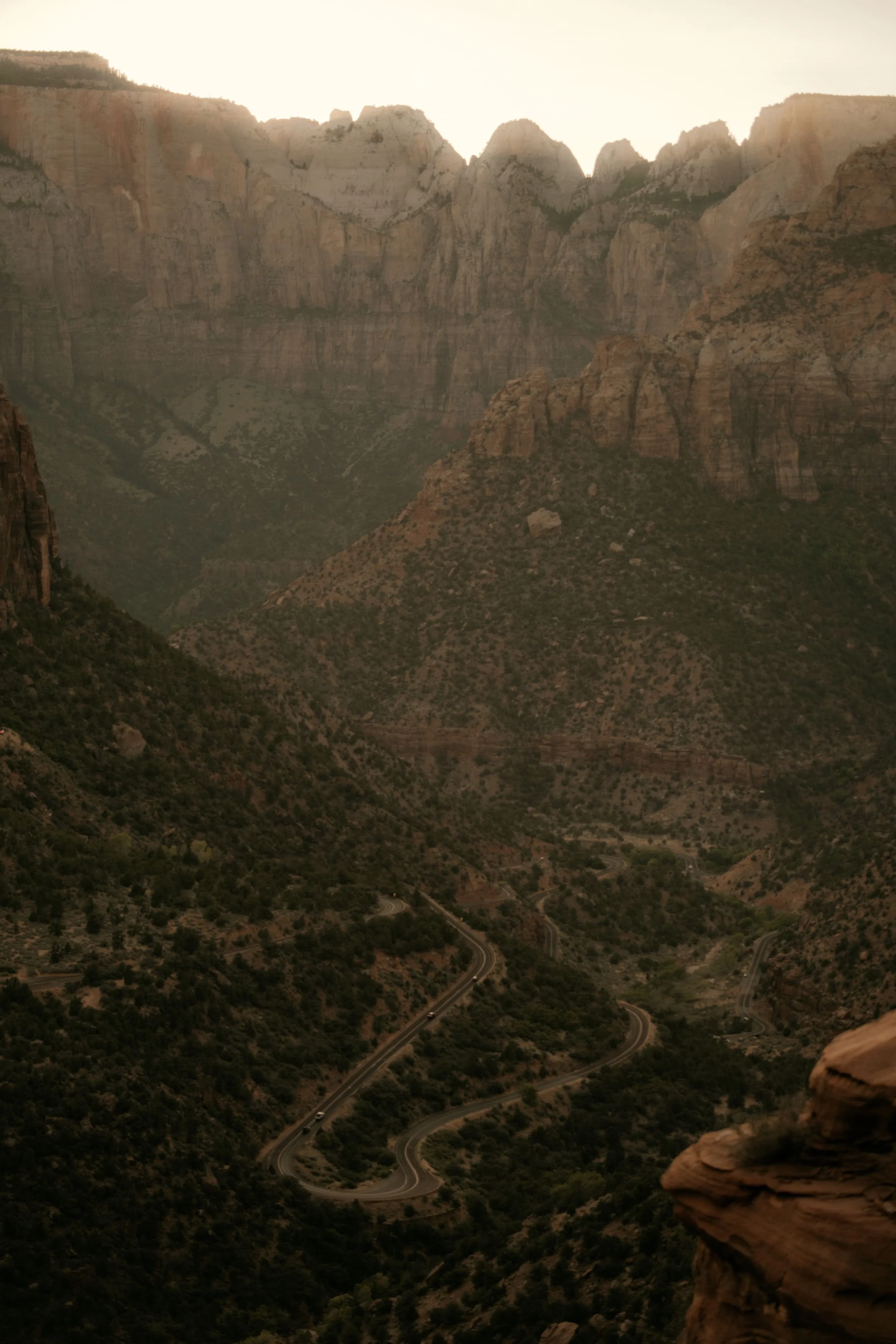
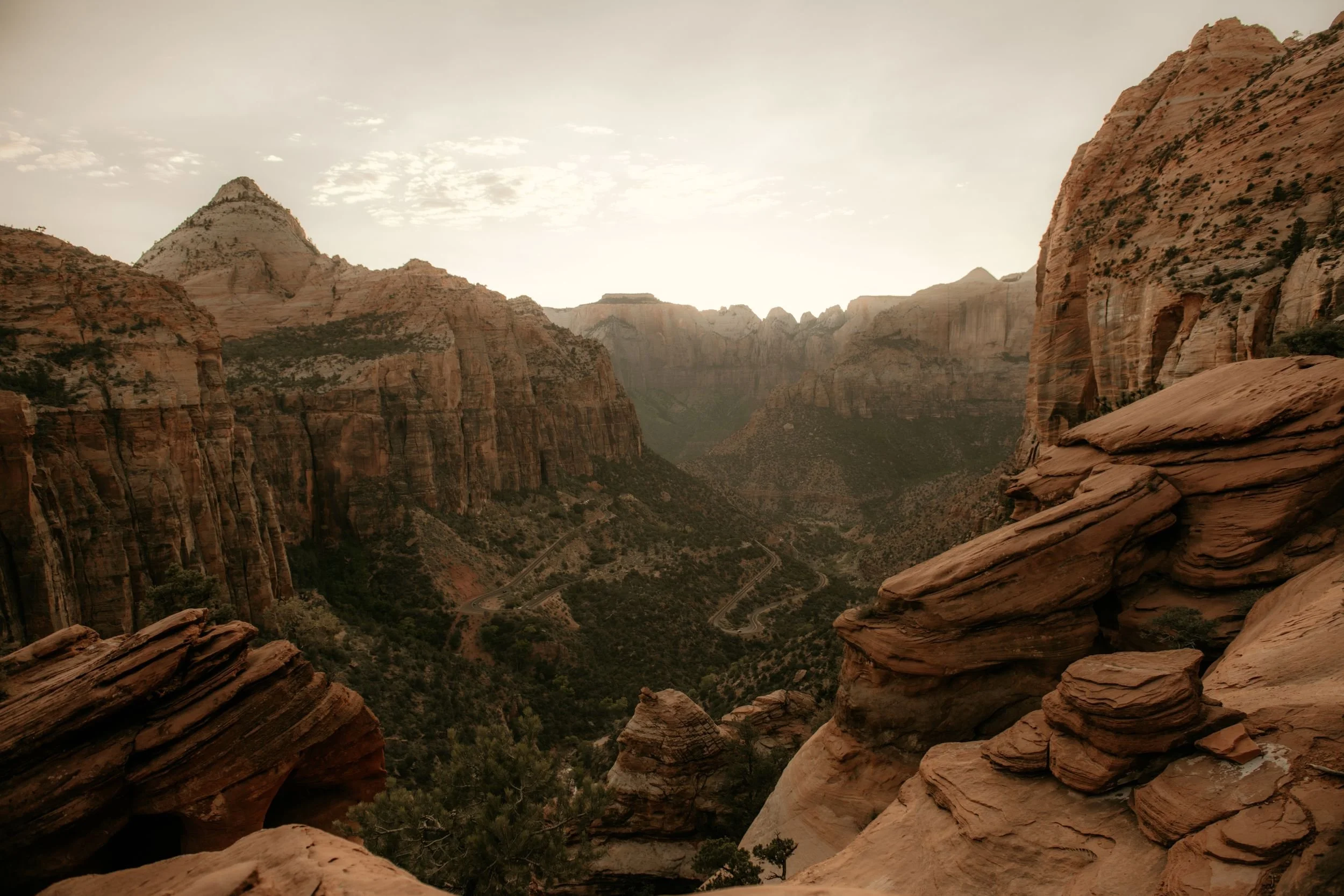
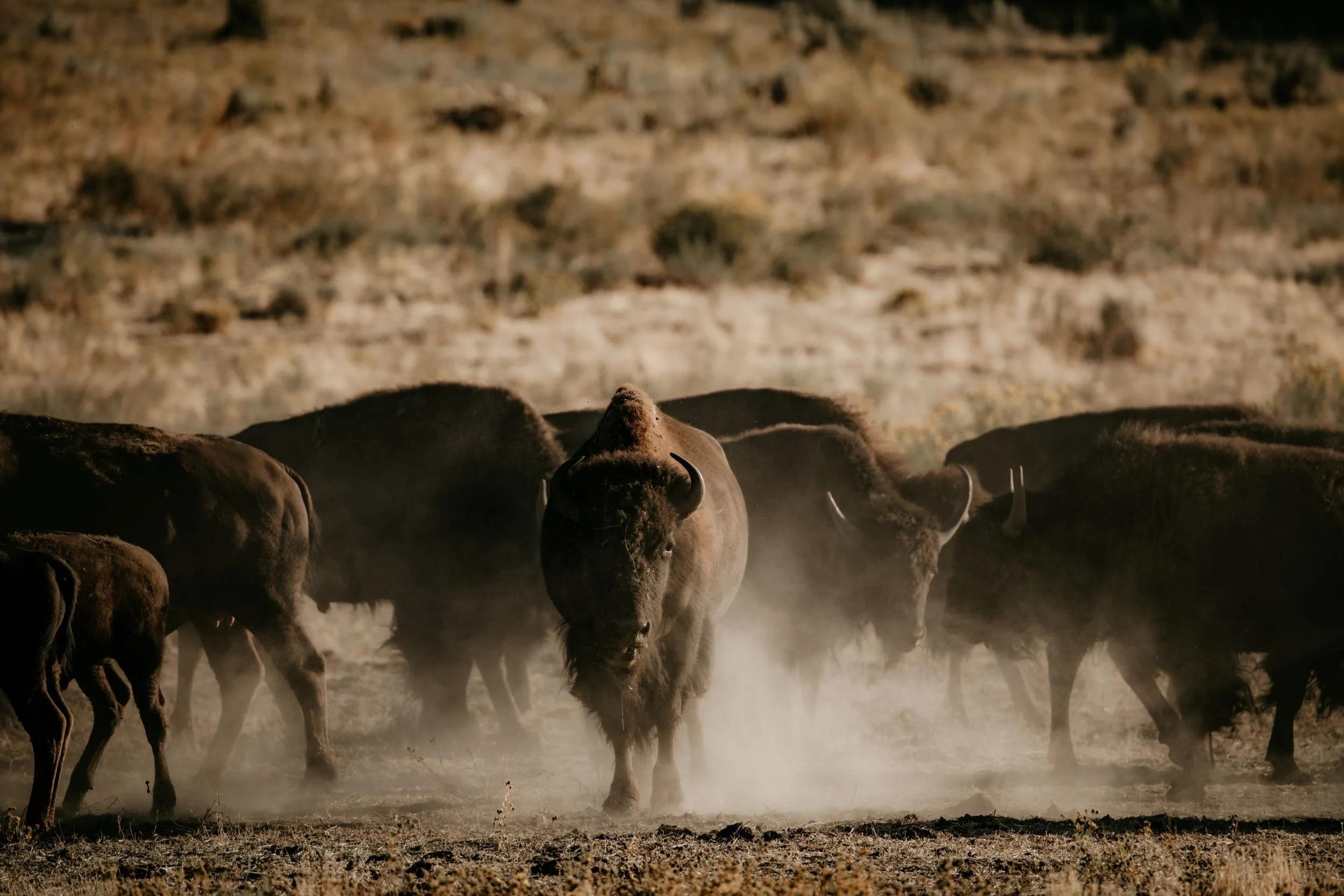
On the way to Zion, right before the park entrance, we stopped at an AMAZING restaurant for an early dinner before our sunset hike. We spent 1.5 days in Zion, but would recommend more if you’re able to!
Zion Mountain Ranch – First, I can’t say enough about their restaurant, Cordwood – the food is so fresh and delicious, and mostly farm to table! They raise buffalo on the property, and harvest most of their fruits and veggies on sight! If we had known this place existed before, we would have stayed overnight here, as well! Check out their website, the property is UNBELIEVABLE!
After eating, we entered Zion National Park and rushed to the Canyon Outlook Trailhead to get parking so that we could make it up in time for sunset. We made it right in time!
A FEW TIPS:
Get there at least 2 hours before sunset so that you don’t miss sunset. The hike isn’t very long (about a mile round trip) but it took a while to find parking!
Wear shoes with grips! The trail is easy but the sand from the red rocks makes some surfaces slick.
If you are heading up for sunset, bring a head light for the hike down. It gets dark FAST.
THINGS TO DO IN ZION:
The Narrows – check the weather before and if it’s clear skies, hike the narrows! (Whole day hike – visit HERE to see what you need to do to prepare for the hike.)
Angel’s Landing – a tough hike, but worth the view! (also a whole day hike)
WHERE TO SLEEP IN ZION:
Majestic View Lodge – For the price, this hotel was SO NICE! We didn’t spend much time in the hotel, but it was absolutely perfect for all our needs! (located in Springdale, the town next to Zion)
Zion Mountain Ranch – for a more luxurious experience!
WHERE TO EAT IN SPRINGDALE (TOWN NEXT TO ZION):
Oscar’s Cafe – this place… was freaking amazing. Oscar’s Cafe was recommended to us by our hotel for breakfast and WOW it did not disappoint!
MeMe’s Cafe – Also recommended to us, but we never went! Looks incredible!
ZION NATIONAL PARK HISTORY: Zion Canyon is the homeland of the Southern Paiute, with a record of human presence reaching back thousands of years. NPS describes how Euro American settlement in the region rapidly disrupted Paiute life, including loss of vital hunting, gathering, and farming grounds near water, alongside disease and forced dependency. Even within a modern national park, this remains Indigenous land with enduring community connections, names, and responsibilities that continue today.
8.) Zion to Little Sahara Recreation Area (about 3.5 hours)
Sand dunes in Utah, and they’re massive.
Little Sahara is one of those places that you need to visit to believe it exists. It is such a cool place to visit, but there isn’t much around the area. I would recommend making this the final stop on your trip before making the 1 hour and 45 minute drive back to Salt Lake City.
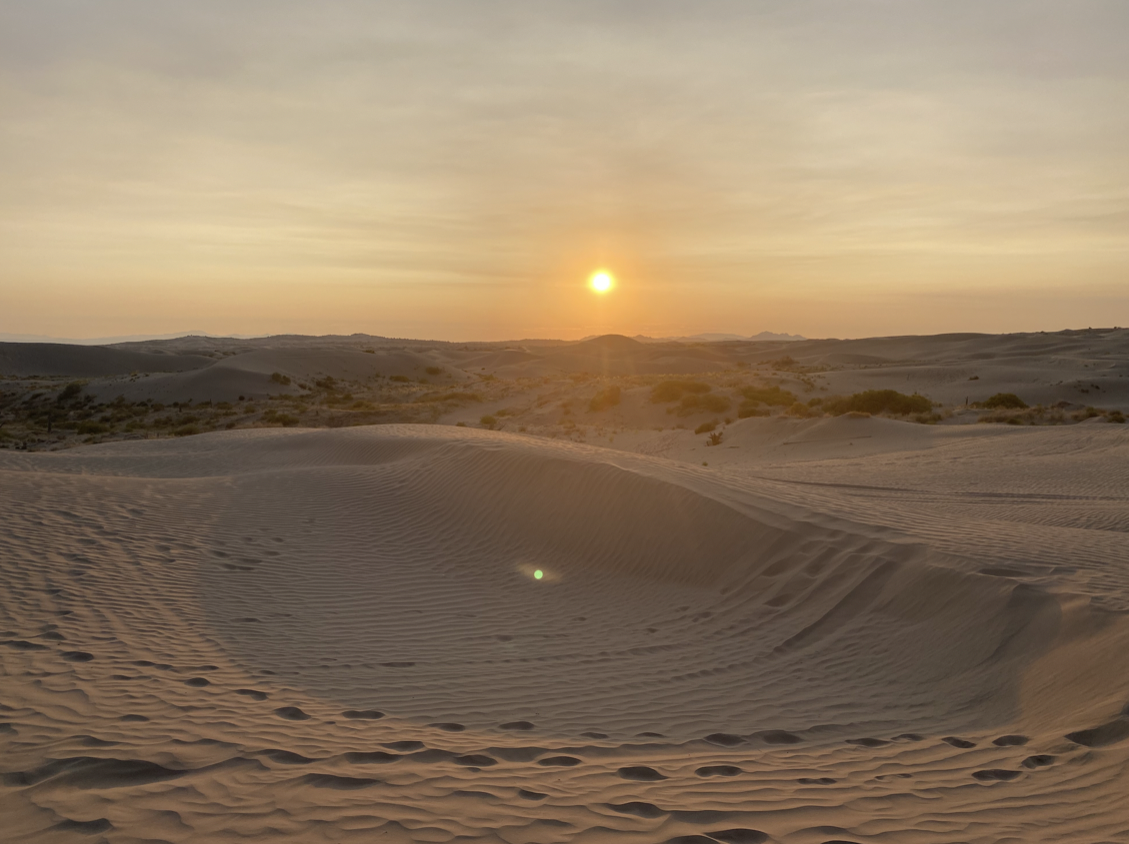
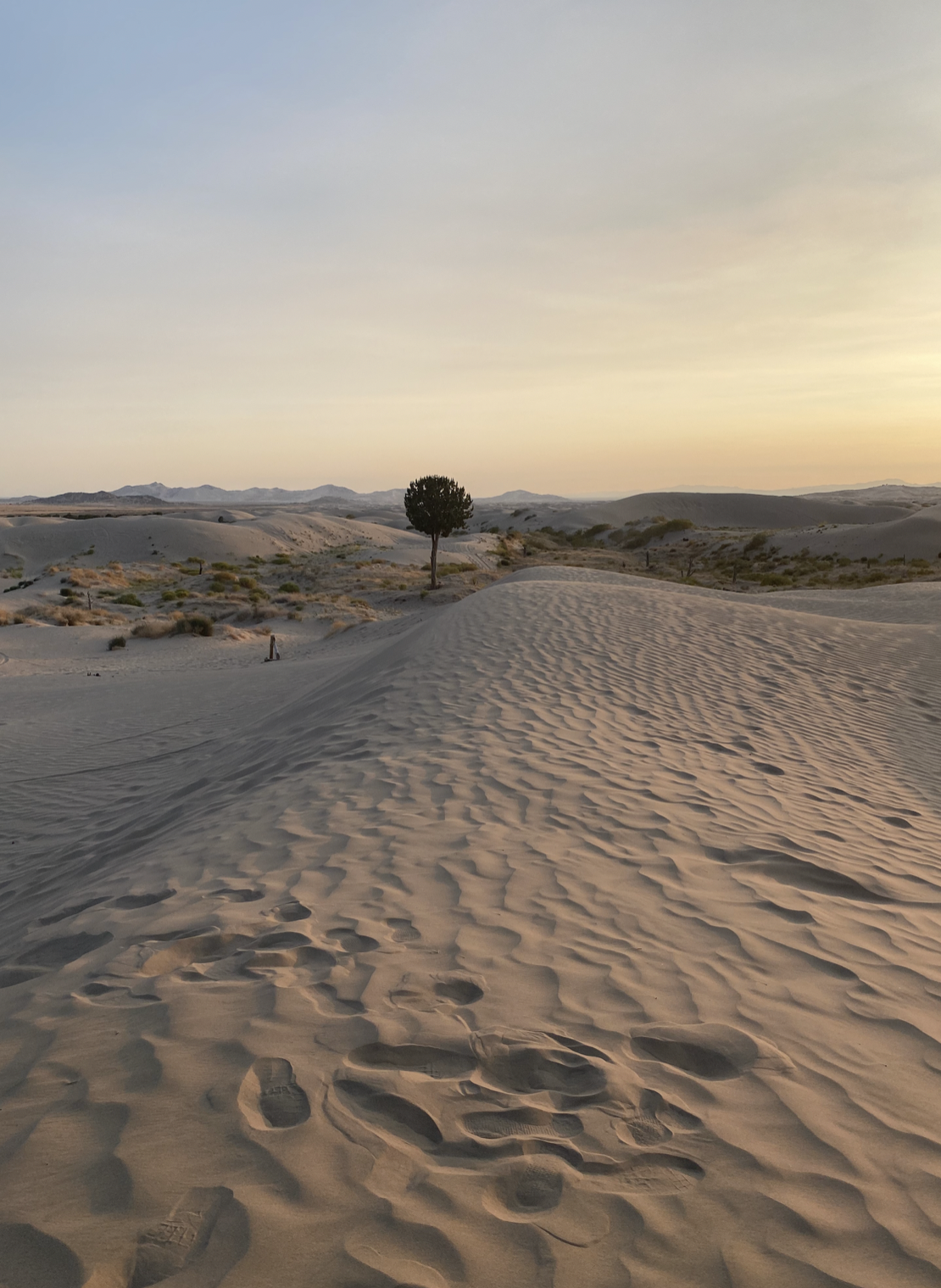
LITTLE SAHARA RECREATION AREA HISTORY: Little Sahara’s dunes are a striking geologic legacy of ancient Lake Bonneville, formed as wind and water moved Sevier River sediments over millennia. This is also the broader homeland of Indigenous peoples tied to central Utah’s desert and lake systems, including the Pahvant Ute, who ranged around the Sevier Lake area. As settlers moved into the region, Native communities faced mounting pressure, land loss, and forced adaptation. The dunes remain, but so do Indigenous histories and presence across this desert country.
9.) Little Sahara to Salt Lake City (about 1 hour 45 minutes)
And there you have it. The Ultimate Utah Road Trip.
CLICK HERE FOR THE GOOGLE MAPS LINK TO THE ULTIMATE UTAH ROAD TRIP
Bonus add-ons (worth it if you have time):
Bonneville Salt Flats – nowhere near the loop of the Utah Road Trip BUT so so worth it. Make it for sunrise or sunset, you will not regret making the trek out!
Mystic Hot Springs – you may be able to squeeze this into your road trip! If you decide to, PLAN AHEAD! Reservations fill up fast!
Antelope Island State Park – plenty of wild buffalo and a beautiful drive that will provide you the best views of the Great Salt Lake!